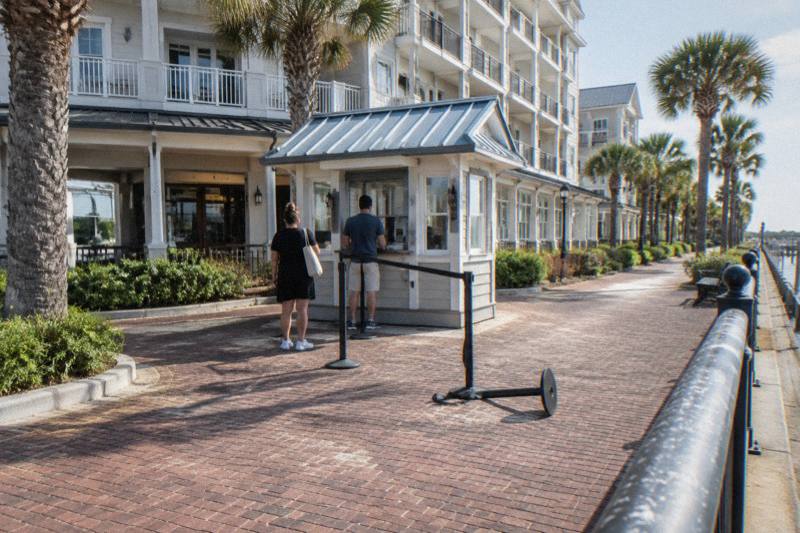
Best Time To See Dolphins In Galveston: Season And Time Of Day
Bottlenose dolphins live in Galveston Bay all year, so there is no month when the water is empty of them. What changes is how many are around, where they gather, and how active they are at the surface.
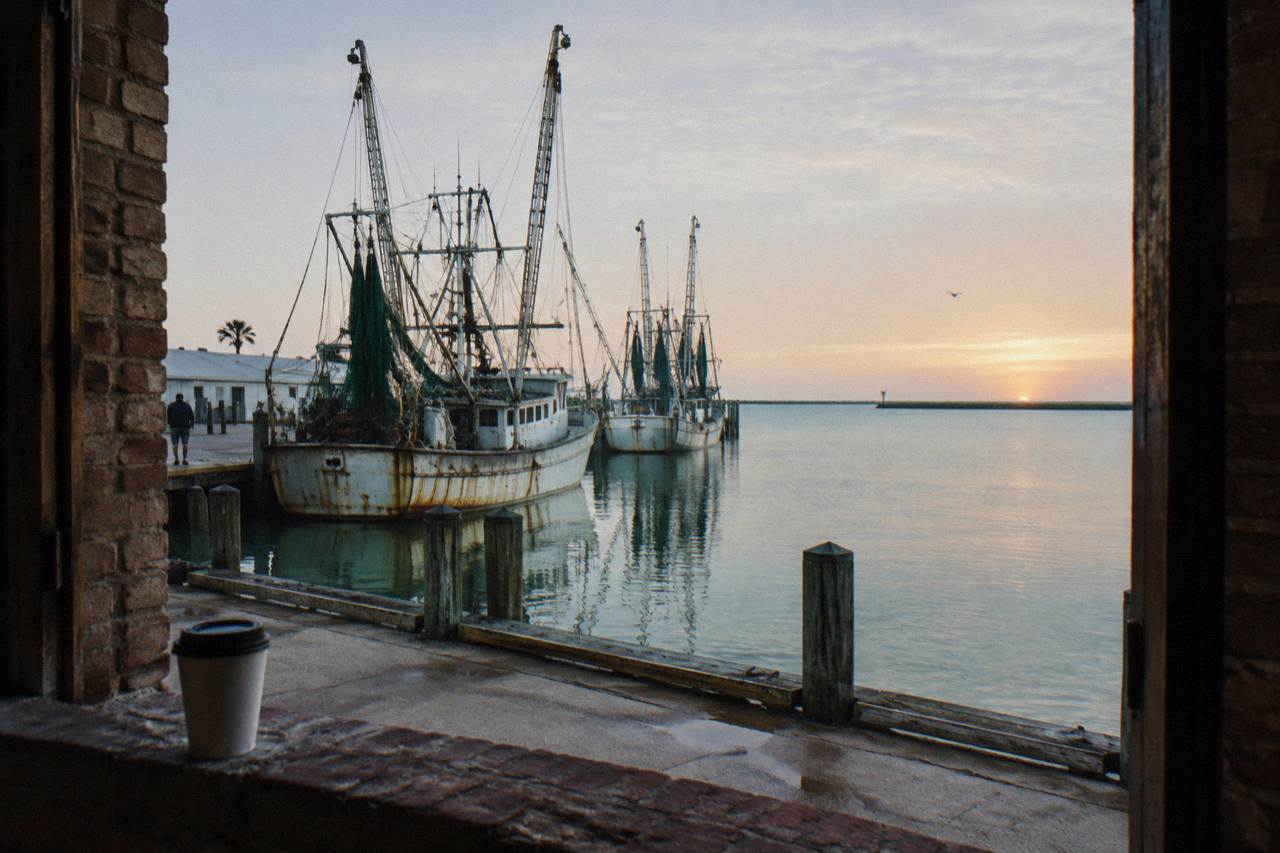
Short answer
Dolphin sightings in Galveston are possible every month of the year. Activity runs higher roughly May to October, and the early morning and late afternoon hours, especially around moving tides, tend to be the most reliable windows. No tour guarantees a sighting, but harbor cruises report frequent encounters in all seasons.
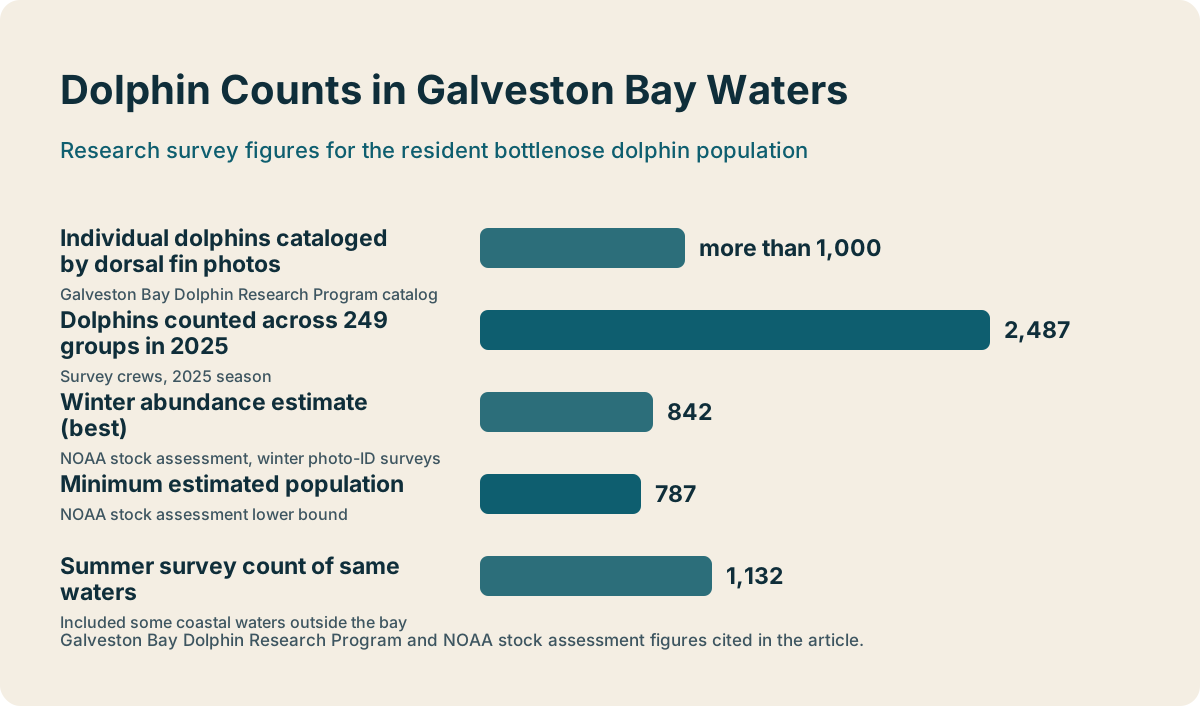
Galveston sits on one of the most studied dolphin habitats on the Texas coast. The Galveston Bay Dolphin Research Program has cataloged more than 1,000 individual bottlenose dolphins by dorsal fin photographs, and its survey crews counted 2,487 dolphins across 249 groups in 2025 alone. Those numbers matter for visitors because they settle the biggest timing question up front: the dolphins never leave. What shifts through the year is abundance, location, and how much of their activity happens where a boat can see it.
What Is The Best Time Of Year To See Dolphins In Galveston?
Dolphins are present in Galveston Bay every month of the year, so there is no closed season for sightings. Activity runs higher roughly May to October, when more animals move through the bay and more feeding happens near the surface. Cooler months concentrate dolphins in the lower bay, the harbor, and the channel mouths, where most cruise routes already travel. No tour guarantees an encounter in any month. If you're weighing which month to plan your trip around, the month-by-month breakdown for dolphin watching in Galveston explains how the calendar and the clock both shape your odds.
The seasonal pattern comes from research data, not from tour marketing. The NOAA stock assessment for the Galveston Bay, East Bay, and Trinity Bay stock put the best abundance estimate at 842 animals, with a minimum estimated population of 787, based on winter photo-identification surveys. A summer survey of the same waters counted a higher figure, 1,132, though that estimate included some coastal waters outside the bay proper. In plain terms: more dolphins use the bay system in the warm half of the year, and a core resident population stays put through winter.
For a visitor, the practical difference between June and January is smaller than it sounds. The harbor cruises run the same roughly 3-mile route through Galveston Harbor year-round, and the resident dolphins that patrol the channel, the ferry lane, and the ship turning basins are the ones those trips see most. Warm months raise the ceiling on what you might witness, with mother-calf pairs and larger feeding groups more common. Cool months trade sheer numbers for concentration, as dolphins gather around the deeper, warmer water near the harbor and passes.
The Galveston Dolphin Tours comparison page groups every bookable cruise on one roster, which is the fastest way to see which operators run in the slot you want. Timing advice only pays off once you know which departure points and vessels fit your day, and the roster answers that in a few minutes of reading.
Which Months Are Best For Dolphin Watching In Galveston?
May through October is the higher-activity window in Galveston Bay, with sightings still possible in every other month. Within that window, late spring and early fall combine warm water, active feeding, and thinner weekend crowds at the docks. September and October carry a separate consideration: they fall inside hurricane season, so weather flexibility matters more than in July. For a fuller picture of how those seasonal factors stack up across the calendar, our month-by-month Galveston trip planning guide weighs weather, crowds, and hurricane-season timing for every part of the year.
The month-by-month picture below draws on the research program's seasonal notes and long-term climate patterns for the island. Treat it as a planning aid, not a promise. Dolphins are wild animals, and the difference between a good month and a great one is often a single morning with the right tide.
| Month | Sighting outlook | What shapes it |
|---|---|---|
| January | Possible, concentrated near harbor and passes | Cool water pushes prey into deeper channels; resident dolphins follow |
| February | Possible, similar to January | Cool bay temperatures; lower bay focus continues |
| March | Improving | Warming water draws more animals into the bay |
| April | Good | Spring tides and rising activity; comfortable air temps |
| May | Very good | Start of the higher-activity window; calving season brings mother-calf pairs into view |
| June | Very good | Warm water, active surface feeding; hurricane season begins |
| July | Very good | Peak warmth; early morning slots beat the midday heat |
| August | Very good | Often the warmest bay water of the year; book morning departures |
| September | Very good, with weather risk | Activity stays high but tropical systems can cancel sailings |
| October | Very good, crowds easing | Warm water lingers; a favorite month for local watchers |
| November | Good | Cooling begins; activity tapers toward the winter pattern |
| December | Possible, concentrated | Lower bay and harbor focus returns |
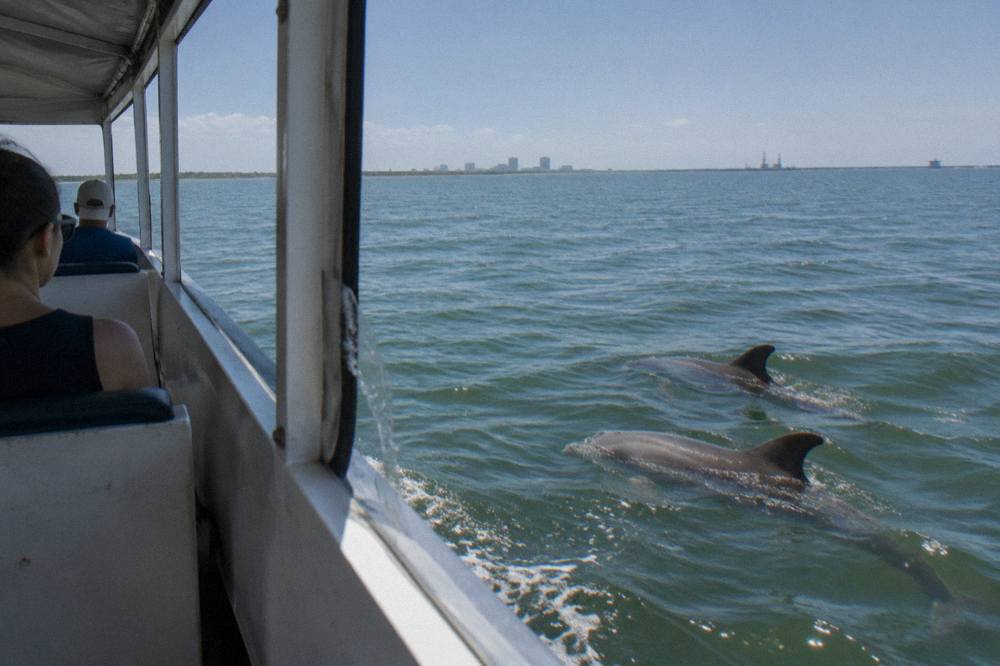
Two months deserve special mention. May opens the high season while air temperatures still sit in the low 80s, which makes a covered boat deck genuinely pleasant rather than merely tolerable. October keeps much of the summer's warm water, since the bay cools more slowly than the air, and the post-summer drop in dock crowds means short check-in lines at Pier 21. Both are strong picks if your dates are flexible.
The trade-off months are the bookends of hurricane season, June through November, with peak tropical activity typically running mid-August to late September. A cruise can still be excellent in September, but the National Weather Service Houston/Galveston forecast, not the calendar, makes the final call on whether a boat sails. Operators cancel for safety, and the listings with free cancellation let you rebook without losing the fare. Our guide to Galveston weather and boat tour cancellations covers exactly who calls off a sailing and how rebooking works.
What Time Of Day Is Best For A Dolphin Cruise?
Early morning and late afternoon are the most reliable daylight windows for dolphin sightings in Galveston, especially when a moving tide coincides with them. Dolphins feed most actively in the first hours after sunrise and again as the day cools, and moving water concentrates the fish they chase. Midday trips still see dolphins regularly, since the harbor population is resident, but the surface activity often quiets down.
The biology behind the advice is straightforward. Dolphins hunt fish, and fish respond to tide. Slack water, the slack period around high or low tide, scatters baitfish and gives predators less to work with. A moving tide funnels prey through channels and past structure, and the dolphins that patrol the harbor follow that conveyor. Early morning adds two more advantages: calmer air before the afternoon sea breeze builds, and boat traffic that has not yet crowded the channel.
Late afternoon works for the mirror-image reasons. The wind often eases toward evening, the tide is frequently moving again, and dolphins that spent midday traveling shift back into feeding. Photographers get a bonus, since low-angle light over the water makes surface activity easier to read at a distance. A dorsal fin that disappears into midday glare stands out clearly at 5 p.m.
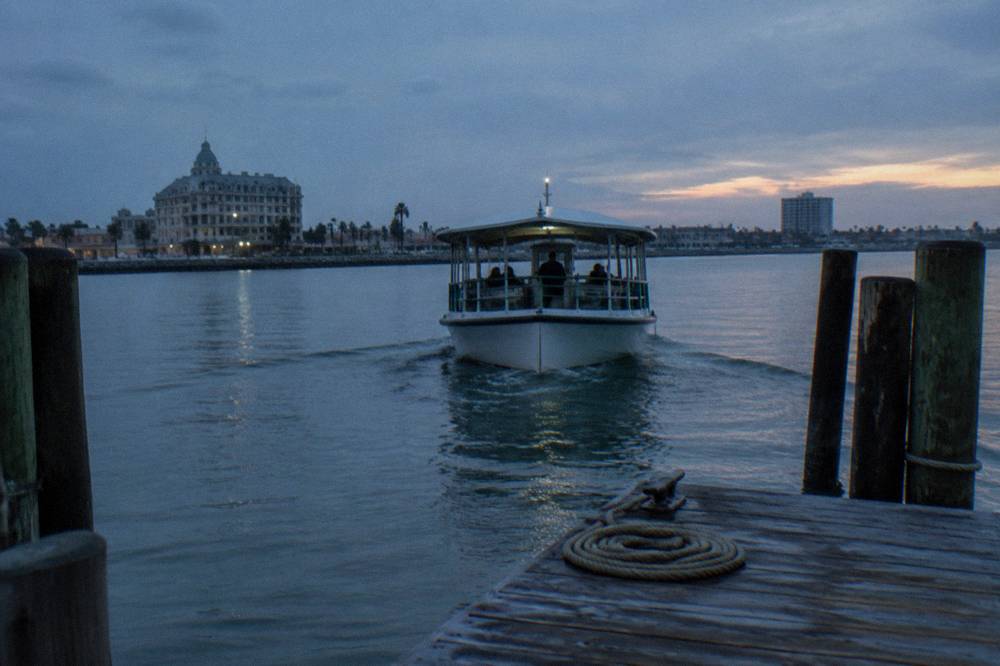
None of this makes midday a bad choice. The Baywatch Pier 21 cruise, the featured 40 to 45 minute trip from the kiosk in front of the Harbor House Hotel, runs multiple departures across the day, and its 4.9 rating from 2,628 reviews comes from passengers who sailed at every hour on the schedule. What the time-of-day pattern changes is the odds of surface drama: bow riding, fish chasing, and leaping, rather than a fin and a swirl. If your only free slot is noon, take it; the harbor's resident dolphins do not keep office hours.
One timing note that surprises first-time visitors: the check-in window matters as much as the departure time. The Pier 21 kiosk asks passengers to arrive 30 minutes before sailing, and the busiest morning slots fill the small staging area fastest. Building that half hour into your plan keeps a good sighting window from collapsing into a sprint down Harborside Drive.
How Do Tides And Weather Change Dolphin Sightings?
Tide movement concentrates the fish dolphins eat, so a cruise scheduled around a rising or falling tide often sees more surface activity than one on slack water. Wind matters even more: a choppy bay hides dolphins and cancels boats, while calm conditions make every fin visible. Check the tide table and the marine forecast together when you pick a departure, and let the operator make the final weather call.
Tide is the quiet variable in dolphin watching. The verified research notes for Galveston Bay flag early morning and late afternoon on moving tides as the most active sighting periods, and that phrasing deserves emphasis: the tide qualifier is doing real work. A morning departure on dead slack high water can be quieter than a 3 p.m. departure on a strong falling tide, even in the same week of the same month. Tide tables for the Galveston channel entrance are published by the National Oceanic and Atmospheric Administration, and matching them against a cruise schedule takes about two minutes.
Wind is the louder variable. The prevailing northeast wind over the bay builds a chop that does two unhelpful things at once: it hides surface activity from viewers, and it pushes small craft operators toward caution advisories. The cruise routes inside Galveston Harbor itself are partly sheltered by the piers and breakwaters, which is one reason the harbor trips see dolphins so consistently, but open-water sections still feel the wind. A calm-morning forecast is worth more than any calendar month.
The table below summarizes how each condition shapes a trip, and what you can do about it before you book.
| Condition | Effect on sightings | What you can do |
|---|---|---|
| Moving tide (rising or falling) | Concentrates baitfish; more surface feeding | Schedule a departure within two hours of the tide change |
| Slack tide | Prey scatters; fewer feeding displays | Shift the booking an hour or two if the schedule allows |
| Light wind under 10 knots | Calmer water; fins and leaps visible at distance | Book it; this is the best viewing setup |
| Northeast wind 15 to 20 knots | Choppy bay hides surface activity; small craft advisories possible | Choose a harbor route, which is partly sheltered, or rebook |
| Overcast sky | Less glare; easier spotting for viewers | No change needed; often better for photography |
| Rain or storms in the forecast | Operator may cancel for safety | Rely on free cancellation and rebook the next window |
Water temperature is the seasonal engine underneath everything. Bay water in Galveston ranges roughly from the low 60s in winter to the mid 80s in late summer, and the dolphin population's distribution follows it. Warm months spread animals across the bay system, including the shallow feeding flats. Cool months pull them toward the deeper, warmer channel water near the harbor entrance, the ship channel, and the passes, which happens to be where most tour boats go anyway. Winter watchers can read more in can you see dolphins in Galveston in winter, which takes the cold-water question on directly.
Weather cancellations follow a chain of authority worth knowing before you book. The operator reads the National Weather Service marine forecast and decides whether to sail; the port and the Coast Guard set the outer safety boundaries; the listing's cancellation policy determines what a weather scratch costs you. Every cruise on this site's roster comes with free cancellation, so the financial risk of a weather-gamble booking is low. The schedule risk is real, which is why shoulder-season visitors should keep a flexible day plan.
Can You See Dolphins In Galveston In Winter?
Yes, winter dolphin sightings in Galveston are realistic and regularly reported, because a resident population stays in the bay all year. The animals concentrate around the harbor, the ship channel, and the pass mouths, where deeper water stays warmer and baitfish hold. Dress for air temperatures in the 50s and 60s rather than bay temperatures, and a covered boat becomes a genuine advantage.
Winter changes the where, not the whether. The same NOAA stock assessment that counts 842 bay dolphins is built on winter survey data, which is a detail worth pausing on: the scientists count them in January because the animals are there in January. What winter takes away is the spread. The shallow flats that hold feeding dolphins in July empty out, and the population compresses into the deeper water that holds its warmth, much of it inside the working harbor where the cruises run.
Winter practicalities are mostly about the passenger, not the dolphin. Long-term climate averages put Galveston January highs around 61 to 63 degrees, with lows near 50, and the wind on the water subtracts several more degrees of comfort. Covered and partly enclosed vessels, which the Baywatch fleet uses, turn a raw afternoon into a comfortable one. The naturalist-led 45 minute cruise from the same Pier 21 kiosk, rated 4.8 from 282 reviews and listing wheelchair access with advance notice, is another covered-vessel option for a cold day, and you can check availability on its tour page.
A winter trip has a real upside that summer visitors miss: the water is at its clearest. Bay clarity peaks in the cool months because the algae that cloud summer water die back, and calm winter mornings can offer the sharpest viewing of the year when a dolphin rolls beside the boat. The trade is a smaller ceiling, fewer big multi-animal feeding events, and a real chance that a blue norther blows through and cancels everything for a day or two.
How Do You Pick A Departure Slot That Fits The Timing?
Match the departure to the tide first, the daylight window second, and your own schedule third. Aim for a sailing within two hours of sunrise or in the last three hours before sunset, on a day with a moving tide at that hour. Book the slot with free cancellation, then recheck the marine forecast the evening before and shift the booking if the wind forecast has climbed.
Slot-picking works best as a short checklist rather than a puzzle. Pull the tide table for the Galveston channel, find the mornings or afternoons with water moving during your visit, and look for cruises departing inside those windows. Then layer your own constraints: cruise-ship passengers need a trip that fits before boarding, families with toddlers want a short sailing close to nap time, and photographers want the low-light ends of the day. The table below matches common situations to the slot that serves them best.
| Your situation | Slot that fits | Why it works |
|---|---|---|
| First-time visitor, flexible dates | May or October, morning departure | Peak-season activity with shoulder-season crowds and heat |
| Cruise passenger, port day | Morning of embarkation day or the day before | 40 to 45 minute trips fit tight port windows; Pier 21 sits near the terminals |
| Family with young kids | Late morning, any warm month | Mid-morning avoids both the earliest alarm and the afternoon chop |
| Photographer | First or last departure of the day | Low-angle light and calmer air improve surface visibility |
| Winter visitor | Early afternoon departure | Warmest hours of a short day; covered vessels in use |
| Budget watcher | Weekday morning | Quieter docks and the same resident dolphins |
The roster's departure points matter as much as its clocks. The Baywatch trips leave from the kiosk in front of the Harbor House Hotel at Pier 21, while the one-hour Island Tours dolphin cruise from the trailer outside Katie's Seafood House on Wharf Road runs from the harbor's other side, from $29 per person. Same bay, same resident dolphins, different dock, and the Pier 21 parking and boarding guide walks through the logistics of the main departure point in detail.
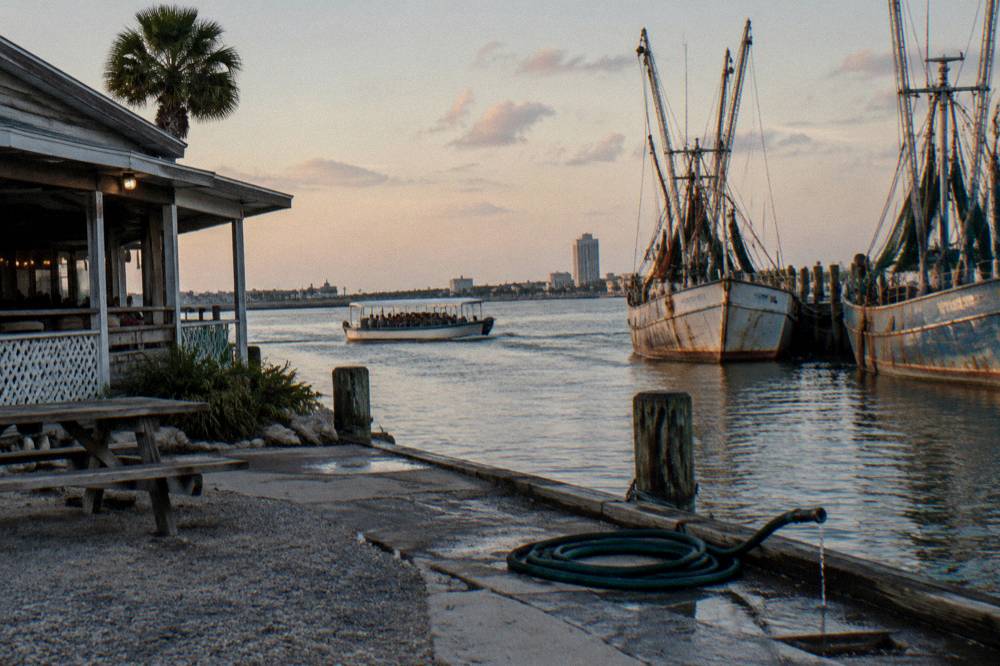
For travelers who want the water itself rather than a deck, timing advice shifts rather than changes. The small-group sea kayak tour of the harbor, four hours with a maximum of five participants and booking required one to two weeks ahead from $266 per person, is effectively a morning commitment by design, and mornings are when the bay is calmest for paddlers. Dolphins are named as a matter of luck on that trip, which is the honest framing for any paddle craft, since a kayak cannot chase a sighting the way a boat can. NOAA rules require staying at least 50 yards from dolphins when viewing from any watercraft, and a paddler has no engine with which to hold that distance if a curious animal approaches, so the sighting, if it comes, comes on the dolphins' terms.
Are There Free Ways To Time A Dolphin Sighting?
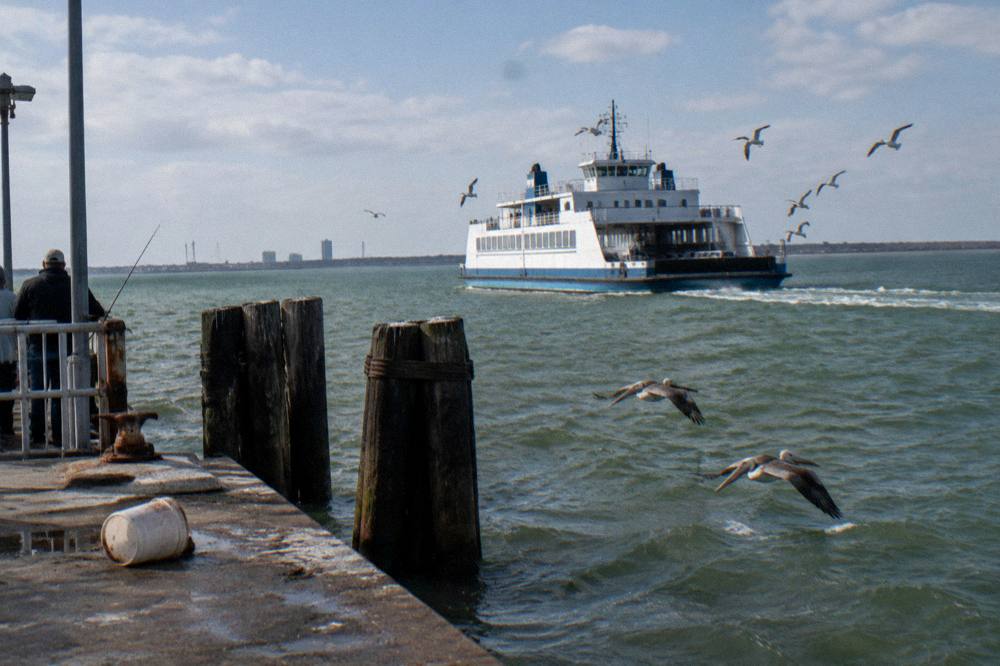
Yes. The Galveston to Bolivar ferry is toll-free, runs around the clock, and crosses a channel where dolphins are frequently seen riding the wake, making it the best free timing play on the island. Seawolf Park on Pelican Island and the Seawall jetties are reliable shore spots, especially in the early morning on a moving tide. None of these guarantee a sighting, but they cost nothing and can be repeated.
The ferry deserves its reputation. The Texas Department of Transportation runs the crossing as a toll-free service, around the clock, with one vessel overnight and more added from 6:30 a.m. onward as traffic builds. The crossing takes roughly 18 to 20 minutes over about 2.7 miles, and dolphins are commonly seen from the deck, often escorting the boat through the channel. Because the ferry runs all day, a free watcher can ride repeatedly through the morning tide window for the price of patience. The Galveston to Bolivar ferry guide covers schedules, waits, and how the free parking at both terminals works.
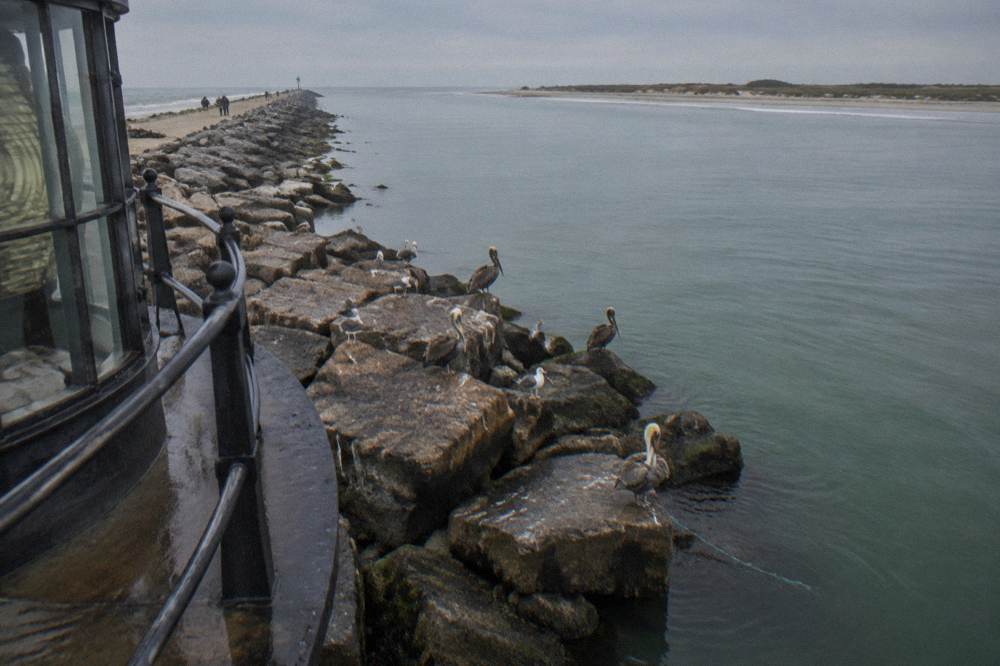
Shore watching rewards the same timing discipline as boat watching. Seawolf Park on Pelican Island sits where channel traffic and bay currents concentrate fish, and it is one of the most reliable free viewing spots in the area. The Seawall jetties and pier areas produce early-morning sightings as dolphins patrol near structure. The rule of thumb from every source agrees: go early, watch the tide, and let feeding seabirds mark the water where dolphins are working. More free options are laid out in free things to do in Galveston.
A land-based option with its own timing logic is the Seawall Segway tour, a one-hour ride from $64 per person that names dolphins as a possible sighting along the route. Its value as a timing play is different from the ferry's: the Seawall stretch it travels sits above water where dolphins patrol near the jetties, and a guided ride with photo stops spends more time watching that water than a casual walk would. It is a supplement to a harbor cruise, not a substitute, since a Segway on the Seawall sees the bay from 30 feet up rather than from the channel itself.
What Should You Expect From Timing, Honestly?
Timing improves your odds; it never buys a guarantee. Dolphins are wild animals protected by federal law, and no Galveston tour promises a sighting in any month, at any hour, on any tide. What good timing delivers is a higher chance of surface activity, better viewing conditions, and a backup plan, and the free-cancellation policies on every roster cruise mean a mistimed booking costs you nothing but a reschedule.
The legal frame is worth knowing because it explains the honest language on every listing. Under the Marine Mammal Protection Act, viewing from a boat must keep at least 50 yards of distance from dolphins, feeding them is illegal, and swimming with them is not authorized in United States waters, Texas included. NOAA publishes these viewing guidelines for all watercraft, and responsible operators build their routes around them. A cruise cannot circle, chase, or bait a pod into performing, which is exactly why the operators describe sightings as likely or frequent rather than certain. The deeper story of the bay's population is in bottlenose dolphins of Galveston Bay.
What the best-case day actually looks like: a May or October morning, a falling tide, light wind from the northeast at under 10 knots, and a 40 to 45 minute harbor cruise departing Pier 21 while the channel is still calm. Dolphins bow-ride the ferry, work the bait behind a shrimp boat, or roll through the turning basin, and a mother-calf pair crosses the route. That day happens regularly in Galveston. The guaranteed version of it does not happen anywhere, and any seller promising one is selling something the law and the biology both forbid.
The realistic floor is lower but still decent. A midday midweek sailing in February, on slack water under an overcast sky, produces a fin or two across the harbor channel more often than not, because the residents are there and the route passes their water. That is the quiet strength of Galveston as a dolphin watching destination: the floor is high even when the ceiling is out of reach. Timing, tide, and season adjust how close you get to the ceiling.
Common Questions About The Best Time To See Dolphins In Galveston
What is the best time to see dolphins in Galveston?
Any month works, since dolphins live in the bay year-round, but activity runs higher roughly May to October. Within a day, the early morning and late afternoon hours, especially on a moving tide, are the most reliable windows. No tour guarantees a sighting in any month or hour.
What is the best time to see dolphins in Galveston?
For a single answer: a morning cruise in May or October, booked with free cancellation, on a day with a moving tide and light wind. That combination stacks the season, the hour, and the conditions in your favor without depending on luck alone.
Can you see dolphins in Galveston in winter?
Yes. A resident population stays in the bay all year, and winter dolphins concentrate around the harbor, the ship channel, and the pass mouths where cruises already travel. Sightings are regularly reported in the coldest months, though surface activity is usually quieter than in summer.
What time of day are dolphins most active in Galveston Bay?
Early morning, in the first hours after sunrise, and late afternoon. Moving tides concentrate the fish dolphins feed on, so a rising or falling tide at those hours is the strongest combination. Midday sightings still happen regularly in the harbor.
Do Galveston dolphin tours guarantee sightings?
No. Dolphins are wild animals protected by the Marine Mammal Protection Act, and no tour can promise an encounter. Operators describe sightings as frequent or very likely, and harbor cruises report consistent encounters, but the honest framing on every listing leaves room for a quiet trip.
Is the Galveston ferry really free, and can you see dolphins from it?
Yes. The Galveston to Bolivar ferry is a toll-free service of the Texas Department of Transportation, running around the clock. Dolphins are frequently seen from the ferry, often riding its wake through the channel, though sightings are never guaranteed.