Galveston Hurricane Season And Boat Tour Cancellations
Galveston sits on a barrier island in the Gulf of Mexico, and from June 1 to November 30 every year the Atlantic hurricane season is part of the weather picture. Most days of the season pass without a storm within hundreds of miles, but wind, chop and the occasional named system are the reason harbor cruises get rescheduled or called off.
Short answer
Hurricane season in Galveston runs June 1 to November 30, with peak storm activity typically mid-August to late September. Dolphin cruises still run through the season on calm days. Every tour on the current roster lists free cancellation, and when an operator cancels for weather the booking is refunded or rescheduled rather than simply lost.
Galveston is a barrier island whose entire east side faces a working harbor, and the weather over that harbor decides whether the dolphin boats leave the dock. The Atlantic hurricane season runs June 1 to November 30, which covers half the calendar year including the busiest tourist months. That sounds alarming until you look at how the season actually behaves: most of it is ordinary Gulf summer weather, and the part that disrupts cruises day to day is usually wind and chop, not named storms. This guide separates the two, lays out what the live tour listings say about cancellation, and explains what happens to your money when an operator makes the call to stay moored. Weather is only one thing that shapes the water out there, and if you're curious about what else lives in the bay beyond the dolphins, the guide to alligators and other bay wildlife covers that side of the picture.
When Is Hurricane Season In Galveston?
Hurricane season in Galveston runs from June 1 to November 30 each year, matching the Atlantic and Gulf basin season, with the busiest stretch of storm activity typically falling between mid-August and late September. The season is a statistical window, not a forecast: most days in that window pass with no storm near Texas, and dolphin cruises run on calm days all summer and into fall.
The dates come from the National Hurricane Center's definition of the Atlantic season, which includes the Gulf of Mexico. Galveston's position on a barrier island directly on the Gulf means the island is exposed to tropical systems that make their way into the northwestern Gulf, and the city has a long and well-documented hurricane history. But the practical reality for a visitor is that a season spanning June through November overlaps almost entirely with the warm-water months when dolphin activity around the bay is at its highest. Warm months, roughly May through October, are when sightings and boat traffic both peak.
What matters more for a single tour booking is the day to day pattern. The Gulf coast in summer produces regular sea breeze collisions, afternoon thunderstorms, and stretches of northeast wind that churn the bay into short, choppy waves. A cruise can be perfectly pleasant at 9 a.m. and impossible by 3 p.m. on the same calendar day. Operators watch the marine forecast from the National Weather Service Houston/Galveston office, and small craft advisories are the usual trigger for a cancellation, not a tropical storm hundreds of miles away.
The peak of the season, mid-August through late September, is also statistically when the Gulf water is at its warmest, which is the fuel storms feed on. If you are booking a trip in that window, the odds of a named system affecting the Texas coast in any given week are still low, but they are higher than in June or late October. The shoulder edges of the season, early June and November, are historically much quieter for Texas landfalls even though the official window stays open.
For planning purposes, treat hurricane season as a reason to build flexibility into an itinerary rather than a reason to avoid Galveston. The island's dolphin cruises are short outings, 40 minutes to an hour on the water, which makes them easy to reschedule to the next calm morning compared with a full-day excursion that has no second chance.
How Wind And Storms Affect Harbor Cruises
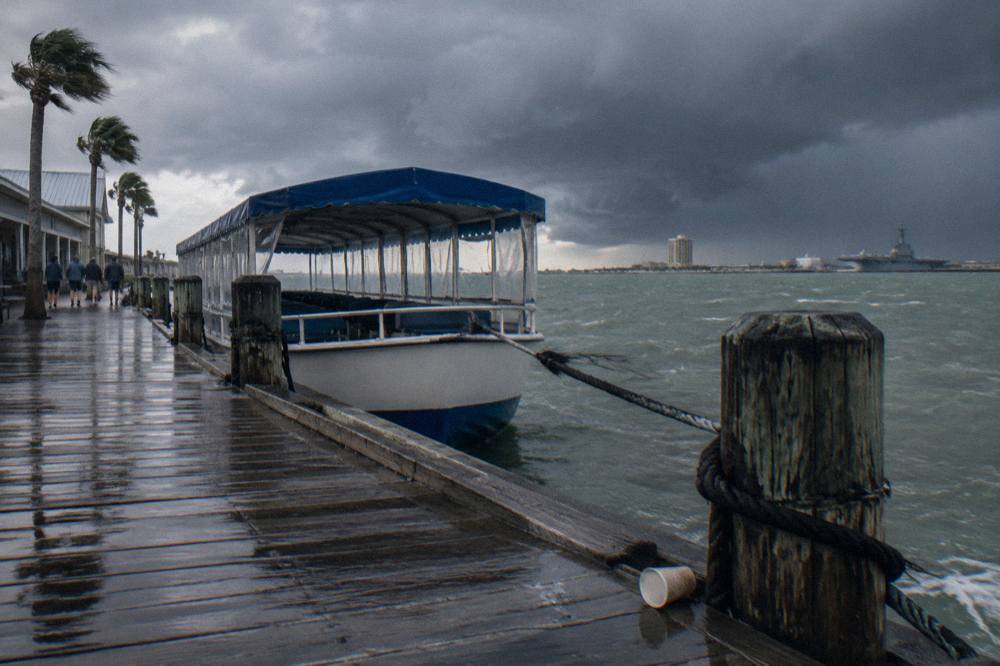
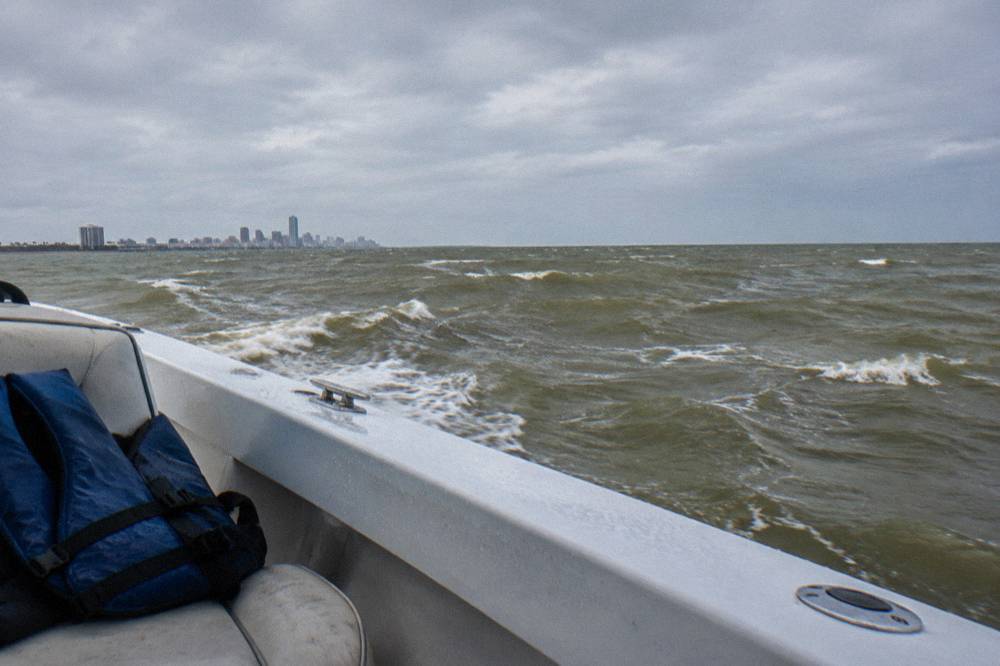
Wind is the everyday factor that cancels Galveston harbor cruises far more often than hurricanes: sustained northeast winds of 15 to 20 knots with higher gusts are common on the bay and can produce choppy water and small craft advisories, and operators pull their trips when the marine forecast makes the ride unsafe or miserable. A dolphin cruise is a short harbor outing, so the same weather that grounds it often leaves the island's land attractions open.
Galveston Bay is a shallow, open body of water, and the prevailing wind direction matters more than its speed alone. A northeast flow down the length of the bay stacks up short, steep waves in the harbor channel and near Pier 21 where most dolphin tours depart. The boats used for these cruises are covered vessels with open viewing areas, stable in moderate conditions, but a small craft caution or advisory from the National Weather Service changes the picture. Operators do not publish a fixed wind number at which they cancel, because the decision also depends on wave period, tide and the route, so the reliable rule is that the operator makes the call on the morning of the trip. Since wind and spray are part of the experience even on calm days, the practical packing tips for a Galveston dolphin cruise cover exactly what to wear on those open viewing decks.
Thunderstorms are the second everyday disruptor. Gulf coast summer afternoons regularly generate fast-moving storms, and a lightning cell over the harbor ends a cruise regardless of the wind. This is why morning departures are the steadier bet in summer: the first hours after sunrise tend to be the calmest and clearest, and they also happen to be one of the more reliable windows for dolphin activity, since dolphins feed actively on moving tides early and again in late afternoon.
A named storm behaves differently. When a tropical system is in the Gulf and forecast to affect the upper Texas coast, the sequence is usually orderly: the Port of Galveston and the cruise terminals activate their storm plans, harbor tours stop running a day or two ahead of any forecast arrival, and the ferry service that crosses to Bolivar Peninsula reduces or suspends runs in severe weather. The TxDOT ferry page states plainly that severe weather may reduce or stop service, and the same logic applies to every small passenger vessel in the harbor. Full-blown port closures from a direct hurricane hit are rare, but Galveston has lived through them, and the recovery period afterward, with debris in the channel and damaged docks, can pause harbor tourism even after the skies clear.
Here is how the common weather situations typically play out for a harbor cruise, based on how operators and official sources describe their behavior:
| Condition | Typical effect on a dolphin cruise | Who makes the call |
|---|---|---|
| Light wind, calm bay | Cruises run as scheduled | Operator, routine |
| Northeast wind 15 to 20 knots, choppy bay | Possible cancellation or route change if a small craft advisory is in effect | Operator, morning of the trip |
| Afternoon thunderstorms over the harbor | Departure delayed or cancelled while the cell passes | Operator, sometimes with short notice |
| Tropical storm or hurricane in the Gulf | Trips stop a day or more ahead of any forecast arrival | Operator, following port and NWS guidance |
| Severe weather event | Harbor service suspended; ferry runs may also stop | Port of Galveston, TxDOT, National Weather Service |
The pattern worth internalizing: the shorter and earlier the trip, the more weather-tolerant your plan is. A 40 to 45 minute morning cruise has a better chance of sailing than a long afternoon outing, and if the worst happens, a morning cancellation leaves your whole day open to reschedule or pivot to the island's indoor and shore-based options.
What Happens When An Operator Cancels For Weather
When a Galveston operator cancels a dolphin cruise for weather, the customer is not charged for a trip that never ran: the booking is refunded or rescheduled under the free cancellation terms stated on the live listing. The operator makes the cancellation decision, announces it directly to booked passengers, and the fare does not simply vanish with the departure.
Every tour on the current Galveston roster lists free cancellation on its live listing. That is the term to read before booking, and it is the term that protects you when the operator, not you, pulls the plug. The distinction matters: free cancellation on a listing means you can back out yourself under the listing's conditions, and when the operator cancels because the marine forecast is bad, the standard outcome is a refund of what you paid or a rescheduled seat on a later departure. The exact mechanics, whether the refund lands automatically or after a quick confirmation, are handled through the booking page where you reserved, so keep that confirmation email.
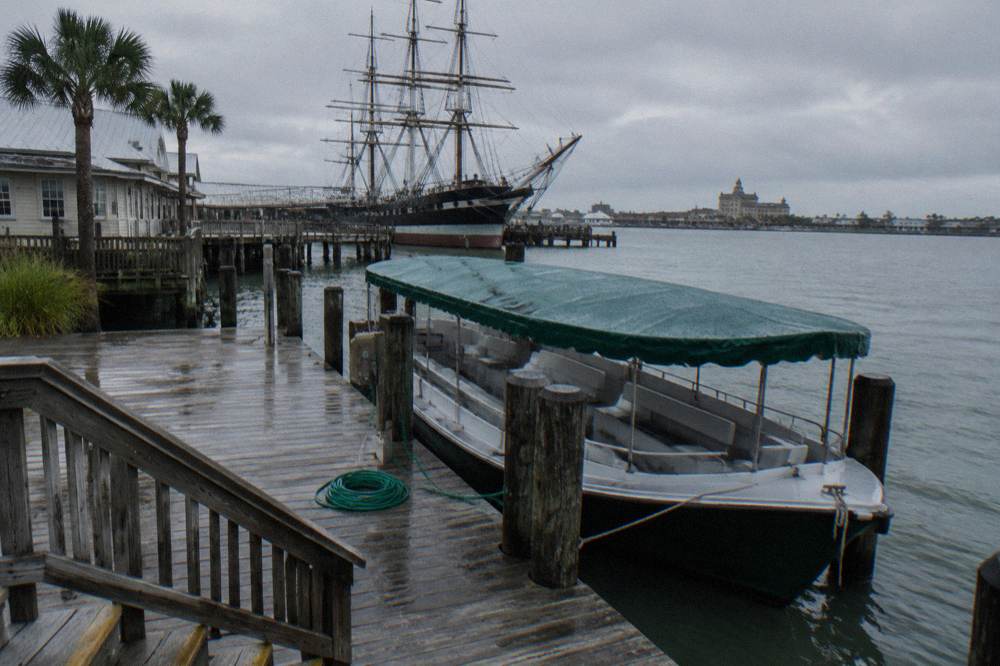
The featured cruise on this site, the Baywatch Pier 21 dolphin cruise, lists free cancellation alongside a 4.9 rating from 2,628 reviews, and its operator, BayWatch Dolphin Tours, has been running Galveston harbor excursions since 2005. An operator with two decades on the same pier has canceled for weather hundreds of times and has the process down: passengers are contacted, seats are moved, and the boat goes back out when the bay settles. The naturalist-led dolphin cruise from the same operator, a 45 minute trip rated 4.8 from 282 reviews, carries the same free cancellation term, and the one-hour historic harbor tour, rated 4.9 from 9 reviews, does too.
What no listing will promise is a sighting guarantee dressed around a weather policy. Dolphins are wild animals and no tour guarantees them, so a rescheduled trip is a fresh chance at the same harbor, not a credit toward a sure thing. The harbor channel and the ship turning basin are where the bay's resident bottlenose dolphins feed and travel, and sightings there are frequently reported year-round, which is why a weather reschedule is usually worth taking rather than refunding.
One more practical point: book with a card and through the listing rather than cash at a kiosk when weather is a live question. A listing booking creates a record of what you paid, from $34.86 for the featured 45 minute cruise to $43.57 for the history cruise with dolphins, and that record is what makes a refund or a moved seat frictionless. If you are already on the island and a front is passing, ask at the kiosk about same-day rebooking, since operators would rather fill a later departure than lose the fare entirely.
Cancellation Terms On The Current Tour Roster
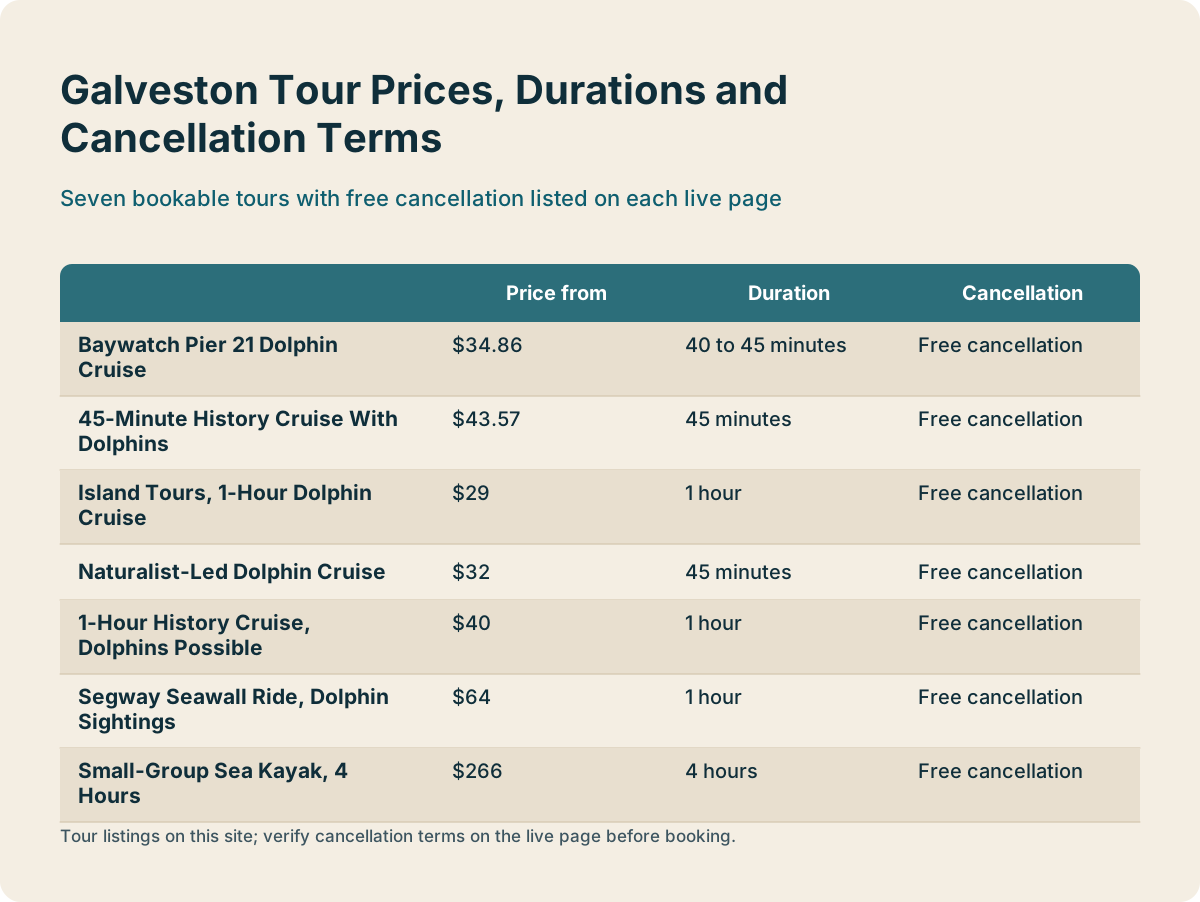
Every one of the seven bookable tours on this site lists free cancellation on its live listing, from the $29 one-hour Island Tours cruise out of Katie's Seafood House to the $266 four-hour small-group sea kayak tour. Prices and ratings below are printed exactly as the listings state them, and the cancellation column is the term to verify on the live page before you book.
The table below is the roster as it stands, with the weather-relevant facts a planner actually needs: how long you are committed to the water, where you check in, and what the listing says about backing out. Shorter trips are easier to reschedule around weather; the four-hour kayak tour is the one product where a weather cancellation costs you a bigger block of your day, and it must be booked one to two weeks ahead, which makes a flexible backup plan more important.
| Tour | Price from | Duration | Meeting point | Cancellation |
|---|---|---|---|---|
| Baywatch Pier 21 Dolphin Cruise | $34.86 | 40 to 45 minutes | Kiosk at Pier 21, next to Willie G's | Free cancellation |
| 45-Minute History Cruise With Dolphins | $43.57 | 45 minutes | Kiosk at Pier 21 | Free cancellation |
| Island Tours, 1-Hour Dolphin Cruise | $29 | 1 hour | Trailer at Katie's Seafood House, Wharf Rd | Free cancellation |
| Naturalist-Led Dolphin Cruise | $32 | 45 minutes | Kiosk at Pier 21 | Free cancellation |
| 1-Hour History Cruise, Dolphins Possible | $40 | 1 hour | White kiosk at Pier 21 | Free cancellation |
| Segway Seawall Ride, Dolphin Sightings | $64 | 1 hour | Seawall Blvd | Free cancellation |
| Small-Group Sea Kayak, 4 Hours | $266 | 4 hours | Galveston, exact point after booking | Free cancellation |
Two of these products deserve a weather note beyond the cancellation column. The Segway Seawall ride runs on the Seawall itself, so wind and rain affect it differently than a boat: a wet Seawall path can end a Segway departure even when the harbor is calm enough to sail. The kayak tour is the most weather-exposed product on the roster by far, since a small paddling craft in open bay water is sensitive to wind and chop that a 39 passenger covered boat shrugs off, and its operator, OAK GeoSciences, keeps the group to a maximum of five participants. The listing for the kayak tour says dolphins appear "if you're lucky," which is the most candid weather-and-wildlife disclaimer on the roster.
The Island Tours cruise, from $29 per person with a one-hour duration and a 49 passenger maximum, has no reviews yet on its listing, so there is no rating history to consult; its free cancellation term is the same as the rest. The lesson across the whole table is uniform: the roster's cancellation terms are generous because Galveston weather forces them to be. An operator that did not offer free cancellation on a harbor cruise in a hurricane-season climate would struggle to fill boats in September.
How To Read The Forecast Before You Book
Check the National Weather Service marine forecast for the Galveston waters, not the land forecast, before booking a dolphin cruise: wind speed and direction, wave height and any small craft advisory tell you whether the harbor will be rideable, and a land forecast that merely says scattered showers can hide a bay too choppy for a 45 minute boat ride.
The distinction between the land and marine forecast is the single most useful planning habit for a Galveston boat trip. The weather app on your phone reports conditions at your hotel; the marine forecast reports wind over open water, and the two can disagree sharply on a northeast day. Look for three things: sustained wind in knots, seas or bay chop height, and the presence of a small craft advisory or caution. As a rough planning range, winds in the low teens with a light chop usually still produce a running cruise, while a sustained flow near 20 knots with gusts higher is the zone where operators start canceling. Treat those as planning ranges, not thresholds, because the operator reads the whole picture including tide and route. Other pages covering the same trip are gathered on Galveston Dolphin Tours.
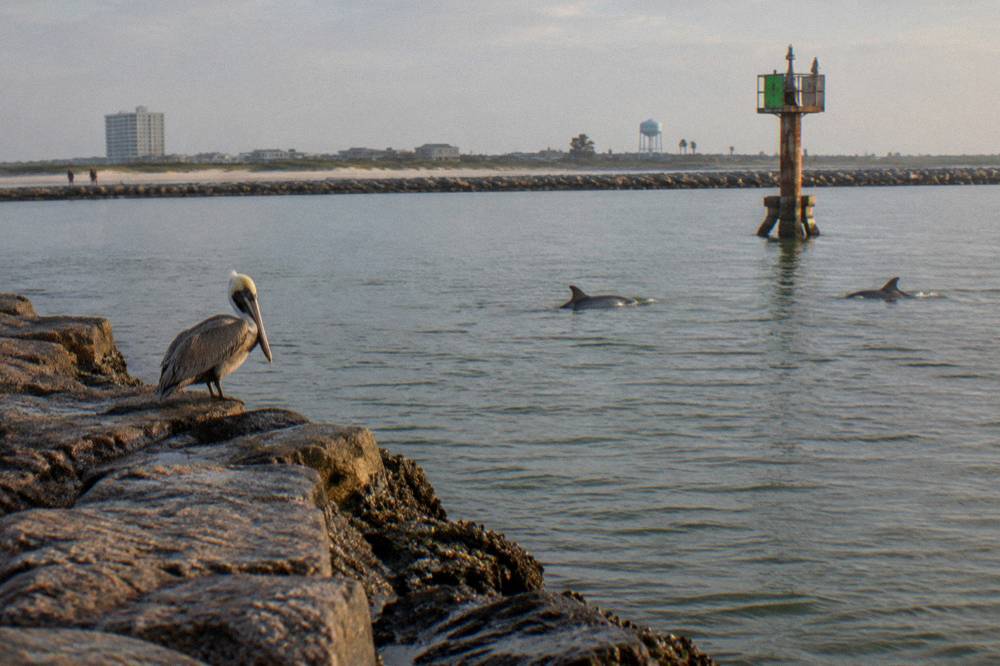
Timing within the day is the second habit. Early morning and late afternoon are the calmer and, conveniently, the more dolphin-active windows: the bay's resident dolphins feed on moving tides, and the sea breeze that builds chop typically strengthens through midday. A 9 a.m. departure in a week of northeast wind is a better bet than a 2 p.m. one, and the same logic applies in every season, not just summer. Winter brings its own version of the pattern, cooler air and water pushing dolphins toward the deeper channels and passes, which the best time to see dolphins guide covers in detail.
Booking ahead versus booking on the island is a real trade-off in season. The featured cruise carries a group maximum of 39, the naturalist cruise departs from the same kiosk, and summer mornings can fill the boats, so advance booking protects your seat. The counterweight is the weather: a forecast that looks fine on Monday can turn by Thursday. The resolution is the free cancellation term itself, book ahead, then watch the marine forecast and the operator's morning decision. If you want to go deeper on that trade-off, the advance booking question is covered on its own page.
A simple decision checklist:
| Forecast reading two days out | What to do with your booking |
|---|---|
| Light wind, no advisories, no storms in the Gulf | Book any departure time; mornings are steadiest |
| Northeast wind near 15 to 20 knots forecast | Book a morning slot; expect a possible route change |
| Small craft advisory posted | Book with the expectation of a possible cancellation and refund |
| Thunderstorms forecast for the afternoon | Book early morning; keep the afternoon flexible |
| Named system in the Gulf aimed at Texas | Hold off, or book knowing the operator will cancel ahead of it |
Rough Weather Days On The Island
When the boats stay docked, Galveston does not shut down: the Strand historic district, the museums, the Bryan Museum and the island's restaurants are all land-based and open in weather that cancels a cruise, and the free Galveston to Bolivar ferry runs 24 hours a day unless severe weather stops it, so a weather day usually becomes a different kind of island day rather than a lost one.
The ferry deserves its own sentence in any weather discussion because it is the island's free fallback. The TxDOT Galveston to Bolivar ferry is a toll-free service that runs around the clock, every day of the year, weather and safety permitting, crossing the 2.7 mile channel in about 20 minutes with free parking at both terminals. Dolphins are commonly seen riding the ferry's wake, which makes a ferry round trip a genuine, zero-dollar substitute for a canceled cruise on a calm-but-crowded day, though never a guaranteed sighting since they are wild animals. In severe weather the same rule applies to the ferry as to the dolphin boats: service may be reduced or stopped, and TxDOT announces it.
The rest of the rough weather playbook is straightforward. The free things to do guide covers the no-cost options including the ferry itself, and the harbor-adjacent attractions around Pier 21, the historic ships and the Seawolf Park area on Pelican Island, sit close enough to the cruise departure points that a canceled morning does not strand you far from your next stop. Seawolf Park is one of the most reliable free shore dolphin watching spots on the island precisely because of its position on the ship channel, so a boat cancellation can even become a shore-based watching session if the weather is merely gray rather than dangerous.
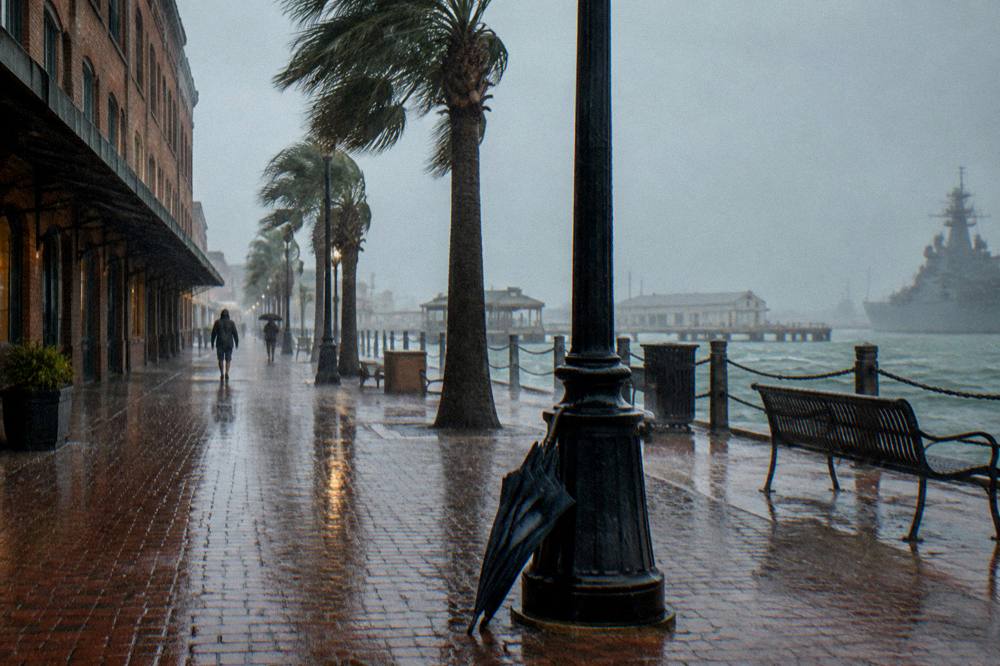
The one weather topic to handle carefully is red tide and sargassum. Both are real, monitored phenomena on the Texas coast, and both are announced by state agencies rather than by tour operators: the Texas Parks and Wildlife Department tracks red tide status and posts it publicly. Do not treat any blog post, including this one, as a source of current red tide or sargassum conditions, because they change week to week and the official monitoring pages exist precisely for that. What can be said permanently is that a red tide event affecting Galveston County waters is a public health and fisheries matter first and a tourism matter second, and that harbor cruise operators follow the same official guidance everyone else does.
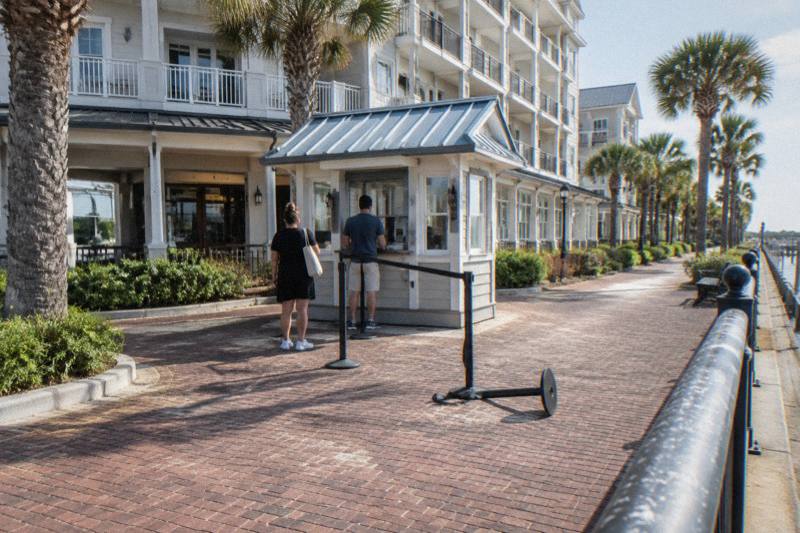
If your weather day arrives mid-trip, the practical move is to walk to the Pier 21 kiosk and ask about the next departure. The covered vessels with open viewing areas that Baywatch runs can sail in light rain, which surprises visitors who assume any precipitation cancels a boat; it is wind and lightning, not drizzle, that empty the harbor. The what to expect guide walks through the on-board experience, including the restroom and covered seating, that make a gray-sky cruise more comfortable than it sounds.
Planning Around The Season: A Month By Month View
No month inside the June 1 to November 30 window is off limits for a Galveston dolphin cruise, but the risk profile shifts: early June and November are historically quiet edges of the season, mid-August through late September is the statistical peak for tropical activity, and the everyday wind and thunderstorm pattern runs through the whole stretch, so the best plan is a short, morning, freely cancellable cruise booked close to the date.
The seasonal shape of the risk, in planning terms rather than statistics, looks like this:
| Period | Tropical storm risk | Everyday cruise disruption | Planning approach |
|---|---|---|---|
| Early June | Low | Afternoon thunderstorms | Book mornings freely |
| July | Low to moderate | Heat, sea breeze storms, chop | Book mornings, hydrate |
| Mid-August to late September | Peak of season | All of the above plus higher watchfulness | Keep plans flexible, watch the Gulf |
| October | Moderate, declining | Early cold fronts, northeast wind events | Watch the marine forecast, mornings still good |
| November | Low, season ends the 30th | Stronger fronts, cooler | Calm windows are excellent and uncrowded |
October and November are a quiet secret for this planning question. The water is still warm from summer, the peak of the tropical season has passed, and the first cool fronts arrive, bringing the northeast wind events that cancel boats but also the clear, still mornings behind them. Dolphin activity remains strong through the warm months and into fall, and the crowds thin after Labor Day, so a weather-flexible fall visitor often gets both a better seat and a calmer bay than a July one. The trade-off is that a front can scrub a planned day entirely, which is exactly why the free cancellation term does the heavy lifting in this season.
For travelers who want a longer water experience in the shoulder season, the four-hour small-group kayak tour is the roster's most weather-sensitive booking: at $266 per person, limited to five participants, and requiring one to two weeks of advance notice, it is the one product where a forecast front can genuinely upend an itinerary rather than cost a morning. The one-hour Island Tours dolphin cruise from Katie's Seafood House, from $29, is the opposite: a cheap, short, freely cancellable bet that fits easily into any weather window the week offers.
The other shoulder edge, March and April, sits outside hurricane season entirely and is a favorite of repeat visitors, covered in the best time to visit Galveston guide. But within the season itself, the pattern to remember is simple: the earlier in the day and the shorter the trip, the more weather you can absorb, and the free cancellation term covers the rest. If you want the full month by month picture before locking in dates, the best time to visit Galveston planning guide lays out the seasonal tradeoffs in plain terms.
Why Weather Rules Protect The Dolphins Too
The same federal rules that keep dolphin viewing at a distance, staying at least 50 yards away from dolphins when viewing from watercraft under NOAA guidelines, also shape how tour boats behave in rough conditions, and the operators who follow them are the ones worth booking: no Galveston tour guarantees sightings, and a responsible captain in bad weather chooses to stay at the pier rather than press a route through chop to reach a pod.
NOAA's marine life viewing guidelines are blunt on the core rules: never feed a wild dolphin, it is harmful and illegal, and always stay at least 50 yards from dolphins when viewing from a vessel. Swimming with wild dolphins is not authorized in Texas waters under the Marine Mammal Protection Act, and attempts at it carry real penalties. These rules matter for a weather article because they illustrate the mindset of a well-run operation: the same judgment that keeps a boat a legal distance from a feeding pod is the judgment that cancels a departure when the marine forecast says the bay is no place for a 45 minute harbor cruise. The Galveston Bay Dolphin Research Program, the long term photo-ID study run with the Galveston Bay Foundation, has catalogued over 1,000 individual dolphins in the bay, and its survey work is weather-dependent in exactly the way a tour is: researchers go out when the bay lets them.
For a visitor, the practical takeaway is to read a cancellation as professionalism rather than a failure. BayWatch Dolphin Tours has operated from Pier 21 since 2005, per the Visit Galveston operator directory, and two decades of harbor departures include every kind of weather the Gulf produces. An operator that cancels a cruise you wanted is protecting its passengers, its vessel and the animals in the channel, and the free cancellation term means that decision costs you a reschedule rather than your fare.
If a storm-free morning does line up, the choice among the roster's cruises comes down to format rather than weather: the featured 45 minute Pier 21 cruise at 4.9 from 2,628 reviews, the naturalist-led version at 4.8 from 282 reviews for a guide who explains the bay's biology, or the history cruise for narration about Galveston's maritime past. All three leave from the same kiosk, all carry free cancellation, and all face the same weather window over the same water.
The weather and cancellation guide on this site's homepage comparison, built around the same roster, is the fastest way to line up those options side by side, and the trio below covers the three most-booked harbor formats for whatever window your forecast allows.
Common Questions About Weather And Boat Tour Cancellations
When is hurricane season in Galveston?
Hurricane season runs June 1 to November 30, matching the Atlantic and Gulf basin season, with peak tropical activity typically mid-August to late September. Most days of the season pass with no storm near Texas, and dolphin cruises run on calm days throughout the summer and fall.
Do dolphin cruises get canceled for weather in Galveston?
Yes. Wind, chop and thunderstorms cancel harbor cruises far more often than named storms, and operators make the call on the morning of the trip based on the marine forecast and any small craft advisory. Every tour on the current roster lists free cancellation.
What happens if the operator cancels my tour for weather?
The booking is refunded or rescheduled rather than lost. When the operator cancels, the standard outcome under the listing's free cancellation term is a refund of what you paid or a seat on a later departure, handled through the booking page where you reserved.
Can I get a refund if I cancel my Galveston dolphin tour myself?
Every tour on the current roster lists free cancellation on its live listing. The exact conditions, such as how close to departure you can cancel, are stated on the listing itself, so read the cancellation terms on the booking page before you reserve.
Is it safe to book a dolphin cruise during hurricane season?
Yes, with flexibility. Book a short morning cruise, keep the free cancellation term in mind, and watch the National Weather Service marine forecast as your date approaches. Operators stop running ahead of any tropical system forecast to affect the coast, and the fare is protected.
What can I do in Galveston when the boats are canceled?
The Strand historic district, museums and restaurants are open in weather that cancels a cruise, and the free TxDOT ferry to Bolivar runs 24 hours a day unless severe weather stops it. Dolphins are commonly seen from the ferry and from shore spots like Seawolf Park, though sightings are never guaranteed.