Can You See Dolphins In Galveston In Winter?
Yes, bottlenose dolphins stay in Galveston Bay all winter. What the research shows, which cruises run in the cold months, and what to wear on the water.
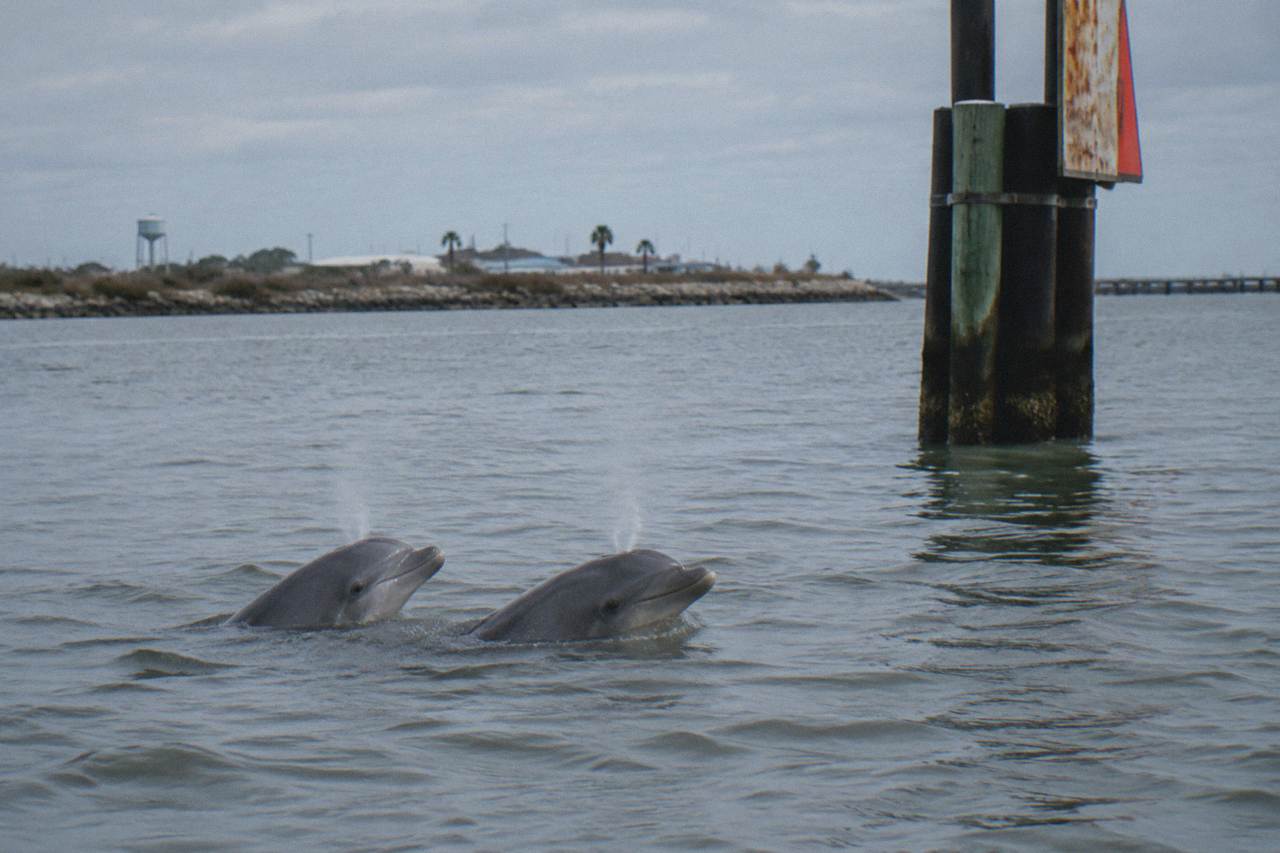
Winter on Galveston Island means empty beaches, cheaper rooms, and a wind off the water that cuts through a hoodie. It also means the dolphins are still there. The common bottlenose dolphins of Galveston Bay do not migrate away for the cold months; the researchers who count them run surveys in January and keep finding them, and the tour boats at Pier 21 keep running. The honest version of the answer is yes, with two caveats: winter sightings are somewhat less frequent than the May to October peak, and no cruise on this harbor can promise dolphins on any given trip. The rest of this article lays out what the population data says, which cruises operate through winter, and what to actually wear when the wind is coming off the bay. If you're hoping to turn a dolphin cruise into a full evening on the water, the guide to dinner cruises in Galveston explains why that option does not exist and what to do instead.
Can You See Dolphins In Galveston In Winter?
Yes. Bottlenose dolphins live in Galveston Bay year-round, and winter sightings happen on a regular basis, though activity is lower than in the warmer months from roughly May to October. The Galveston Bay Dolphin Research Program runs boat surveys through the winter and logs dolphin groups in every season, so the animals are present even in January. No tour guarantees a sighting on any specific trip, and winter odds are somewhat lower than summer odds.
The strongest evidence for winter presence comes from the source of the population numbers themselves. NOAA's stock assessment for the Galveston Bay, East Bay and Trinity Bay stock is built on photo-identification surveys carried out in January, because dolphins are reliably findable in the bay in winter. The best abundance estimate from that work is 842 animals, with a minimum estimate of 787. That is the count of the resident stock, the dolphins that are here in the coldest part of the year rather than the summer visitors.
The Galveston Bay Dolphin Research Program, a partnership involving the Galveston Bay Foundation and the University of Houston-Clear Lake, has cataloged more than 1,000 individual dolphins by their dorsal fins, and its newsletter reports winter surveys with sightings continuing into the new year. In 2025 the program completed 39 boat-based surveys, recording data on 249 dolphin groups and 2,487 dolphins in total, and it marked its 300th survey. That is year-round effort, not a fair-weather operation.
What actually changes in winter is distribution and behavior, not presence. Researchers note that in cooler months dolphins concentrate more in the lower bay, around the mouth of the harbor and the ship channel, which happens to be exactly where the tour boats run their routes. Warmer months bring more animals and more activity spread wider across the bay system, roughly May through October. So a winter cruise trades a bit of frequency for a route that stays close to where the dolphins gather when it is cold.
There is also a simple species point that answers a question some visitors arrive with. Only one cetacean species, the common bottlenose dolphin, is observed inside Galveston Bay. Whatever you see from a winter cruise, a ferry deck or the Seawall jetties is the same resident stock, the animals the research program tracks by the nicks and notches in their dorsal fins. That makes a winter sighting a small piece of a long-running story rather than a lucky accident, and it is the kind of context a naturalist-led cruise spends its 45 minutes explaining.
How Reliable Are Winter Dolphin Sightings Compared To Summer?
Summer and early fall are the peak, with higher dolphin abundance and more surface activity from roughly May to October. Winter sightings are still frequent in the harbor, the channel and along the ferry route, but they are less consistent, and the dolphins tend to concentrate in the lower bay near the passes. Early morning and late afternoon remain the best windows in any season, especially around moving tides.
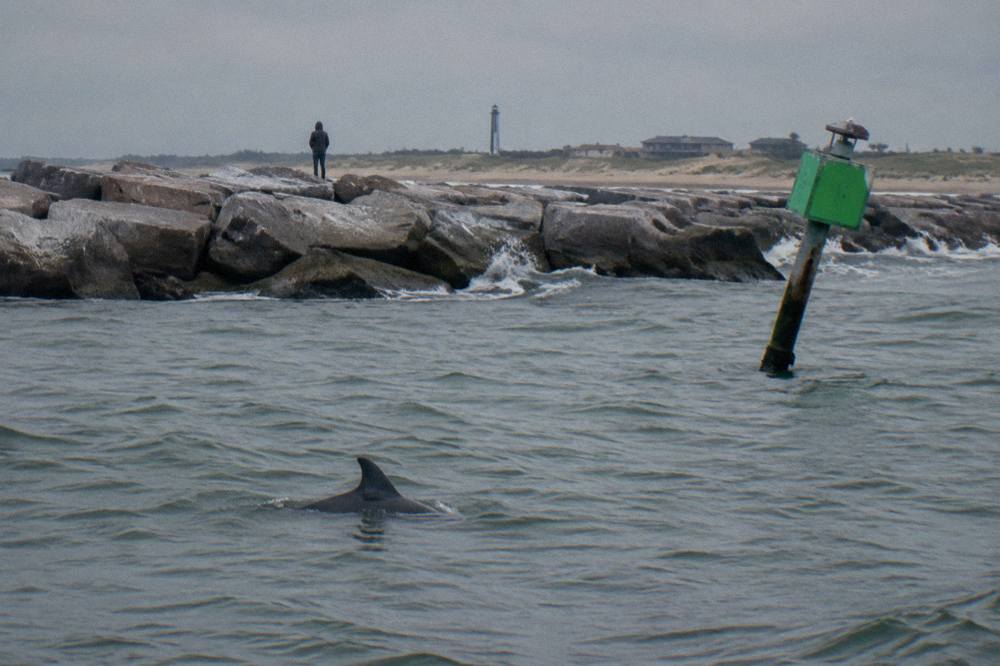
The seasonal pattern comes from the biology. Warmer water brings more prey activity, more calves visible alongside their mothers, and more of the leaping, splashing and bow-riding behavior that makes a sighting unmistakable from a boat. Cooler months push the dolphins toward deeper channels and the bay mouth, where fish concentrate, and the surface displays get more economical. A winter dolphin is more likely to appear as a dorsal fin and a swirl than a full breach.
That does not make winter a bad bet. The tour routes from Pier 21 cover about three miles of Galveston Harbor, the corridor where dolphins feed and travel in every month, and the ferry lane across to Bolivar sees dolphins riding the wake often enough that passengers report it routinely. Reviews of the Baywatch cruises describe sightings on cold-season trips as well as warm ones, and the operator has been running these harbor excursions since 2005, through every winter in between.
The honest framing for a winter visitor is this: expect to see dolphins, understand that it is not promised, and pick the trip time that maximizes your odds. A morning departure on a moving tide in the harbor channel is the closest thing to a strategy. If seeing dolphins is the single purpose of your visit and nothing else about a harbor cruise interests you, the peak months are the safer choice.
Which Dolphin Cruises Run In Galveston During The Winter?
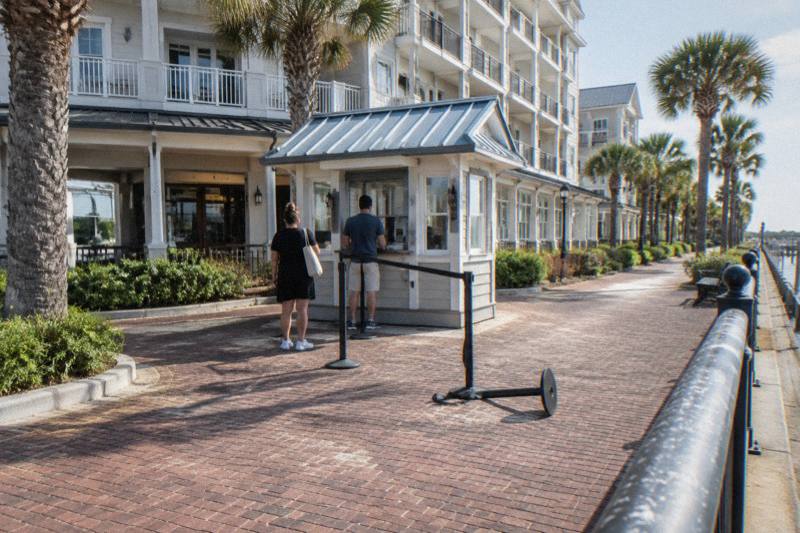
The Baywatch Dolphin Tours cruises from Pier 21 operate year-round, including winter, with departures from the kiosk in front of the Harbor House Hotel. The featured history cruise runs 45 minutes from $43.57 per person with a 4.7 rating from 118 reviews, and the standard dolphin cruise runs 40 to 45 minutes from $34.86 with a 4.9 rating from 2,628 reviews. All three offer free cancellation.
The three Baywatch products cover slightly different angles of the same harbor. The standard dolphin cruise is the volume seller, a short trip built around sightings with commentary on the harbor. The naturalist-led version adds a guide who talks through the biology and behavior of what you are watching, which suits winter well, since a slower sighting still gives the guide material. The history cruise, the featured pick for this article, leans on Galveston's maritime past, with dolphins as a frequent bonus rather than the headline, and it has an on-board restroom (bottled water is not included).
Here is how the three compare on the numbers that matter for a winter booking:
| Cruise | Length | From (per person) | Rating | Reviews | Cancellation |
|---|---|---|---|---|---|
| Baywatch Pier 21 Dolphin Cruise | 40 to 45 minutes | $34.86 | 4.9 | 2,628 | Free |
| History Cruise With Dolphins | 45 minutes | $43.57 | 4.7 | 118 | Free |
| Naturalist-Led Dolphin Cruise | 45 minutes | $32 | 4.8 | 282 | Free |
All three meet at the same kiosk at Pier 21, next to Willie G's, and check-in is 30 minutes before departure for the standard cruise. Child and infant fares are shown on the live listing rather than quoted here, since operator-website prices and listing prices do not always match. The vessels are covered with open viewing areas, which matters more in January than in July.
Winter schedules can be thinner than summer schedules, with fewer departure times on weekdays in the quiet season, so checking the live listing for the specific date matters more in winter than at any other time of year. Weather cancellations also happen: the operator calls them, and the free-cancellation policy means a weather scrub does not cost you the fare. For a fuller breakdown of what a trip is like, the guide to what to expect on a dolphin cruise covers boarding, the route and the sighting rhythm in detail.
What Should You Wear On A Winter Dolphin Boat Tour?
Dress for temperatures well below the shore forecast, because wind across open water strips heat fast, and wear a windproof outer layer over warm layers you can shed. Long pants, closed shoes and a brimmed hat or beanie matter more in winter than sunscreen, though the sun off the water still burns. January highs in Galveston average around 61 to 63 degrees, with lows near 48 to 50.
The wind is the whole story. An afternoon on the Strand that feels mild can feel like a different season entirely on a moving boat in the harbor channel, and the covered viewing areas block sun more than wind. Layers you can adjust between the dock and the open water are the practical answer: a warm base, a fleece or insulated mid-layer, and a shell that stops the wind. Gloves and a hat are not overkill for a January morning departure. The full index of guides sits on Galveston Dolphin Tours.
The rest of the winter kit is the same as any season on the water. Closed-toe shoes with grip, because decks get damp; sunglasses, because low winter sun off the water is brutal; and a dry bag or zip pocket for phones, since the best dolphin photo of the trip always coincides with spray. The covered vessels help, and the history cruise's enclosed options are a real advantage when the wind is up, but the best dolphin viewing is usually from the open sides.
Winter also changes what the water itself looks like. The bay tends toward gray-green in the cold months, with the northeast winds that dominate the season chopping the channel into short whitecaps. Dolphins show up well against that palette, a dark fin against pale water, which is a small compensation for numb fingers. For a season-by-season breakdown of sighting odds, the guide to the best time to see dolphins goes deeper on months, tides and time of day.
What Time Of Day Works Best For A Winter Dolphin Trip?
Early morning, in the first hours after sunrise, and late afternoon are the most reliable viewing windows in any season, and winter is no exception. Moving tides concentrate prey fish, and dolphins feed hardest around them, so a departure timed to an incoming tide in the harbor channel is the best single choice. Midday winter trips still work, but the odds tilt toward the bookends of the day.
The reason is feeding, not temperature. Dolphins in the bay follow the fish, and the fish follow the tide. When the water is moving through the channel and the passes, bait gets pushed into predictable places, and the dolphins that winter in the lower bay gather there to take advantage. Slack tide, the dead stretch between the ebb and the flood, tends to be quieter, which is why an experienced skipper will tell you the tide table matters as much as the clock.
Winter mornings have a second advantage that summer mornings do not: the harbor is calmer before the afternoon wind picks up. Northeast winds are the dominant pattern in the cold months, and they build through the day, so an 8 a.m. departure often rides flatter water than a 2 p.m. one. Flat water makes fins easier to spot at distance, and it makes the whole ride more comfortable for anyone whose cold tolerance is the reason they are reading this section.
The practical move is to check the tide for your date, pick the morning departure closest to an incoming tide, and book that one. The live listing shows the day's departure times, and with free cancellation on every cruise in the trio, swapping to a better window costs nothing if you catch it early. That one piece of planning does more for your winter odds than any other decision on this page.
Can You Watch Dolphins From Shore In Galveston In Winter?
Yes, and winter is a good season for it because dolphins concentrate in the lower bay near the channels and passes that border the best shore spots. Seawolf Park on Pelican Island is the most reliable free viewing location, with dolphins frequently reported near the pier, and the Galveston to Bolivar ferry is a toll-free crossing where dolphins often ride the wake. The Seawall jetties and piers are the other dependable spots, best at first light.
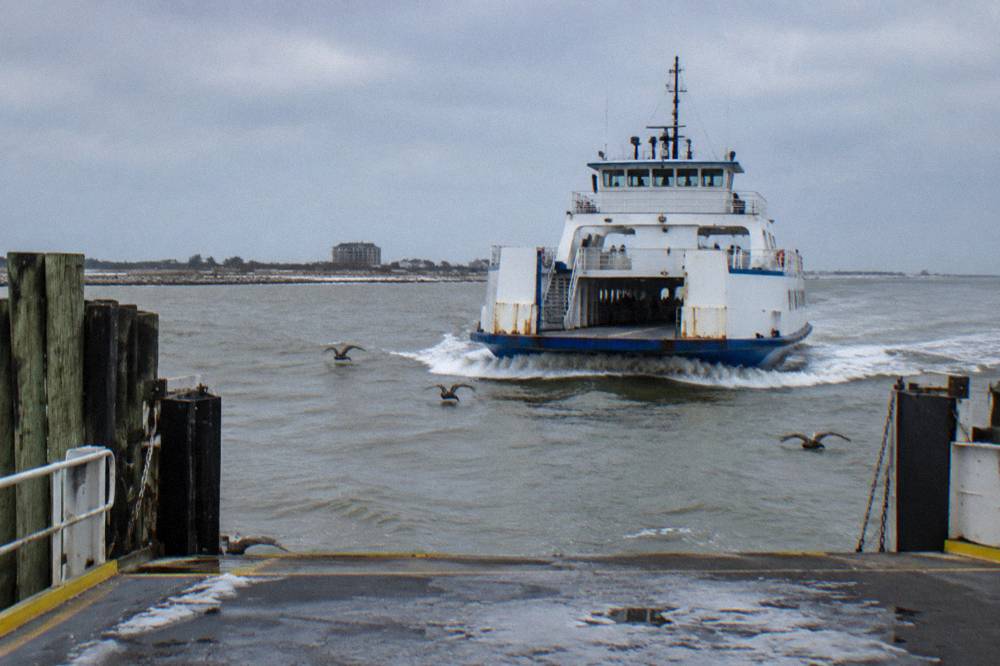
The ferry deserves its reputation. It is a toll-free service operated by TxDOT, running 24 hours a day year-round, weather permitting, with the crossing taking about 18 to 20 minutes across 2.7 miles of channel. Dolphins are commonly seen from the ferry, often escorting the vessel in the lane, and passengers report them alongside the pelicans routinely. It costs nothing, it runs in winter, and the ferry account posts sighting notes when they happen. Walk-on passengers skip the vehicle line entirely, which in winter is usually short anyway.
Seawolf Park sits where the ship channel meets the bay, and that channel location is why the dolphins are, in the words of one citizen-science note from the site, pretty much always around. The park's pier puts you over the water the dolphins actually use, and the same concentration effect that makes winter harbor tours productive makes the park productive too. The bay side of the Bolivar Peninsula and the Seawall jetties round out the list, all covered in more detail in the guide to free things to do in Galveston.
One rule applies from shore and boat alike: give the animals room. NOAA's viewing guidance says to stay at least 50 yards from dolphins when viewing from any watercraft, never to feed them, and never to attempt to swim with them, which is not authorized in Texas waters. Watching from a pier or a ferry deck is fully compatible with that. The guide on swimming with dolphins in Galveston explains why that activity is off the table here.
Is A Winter Dolphin Cruise Worth It Compared To Waiting For Summer?
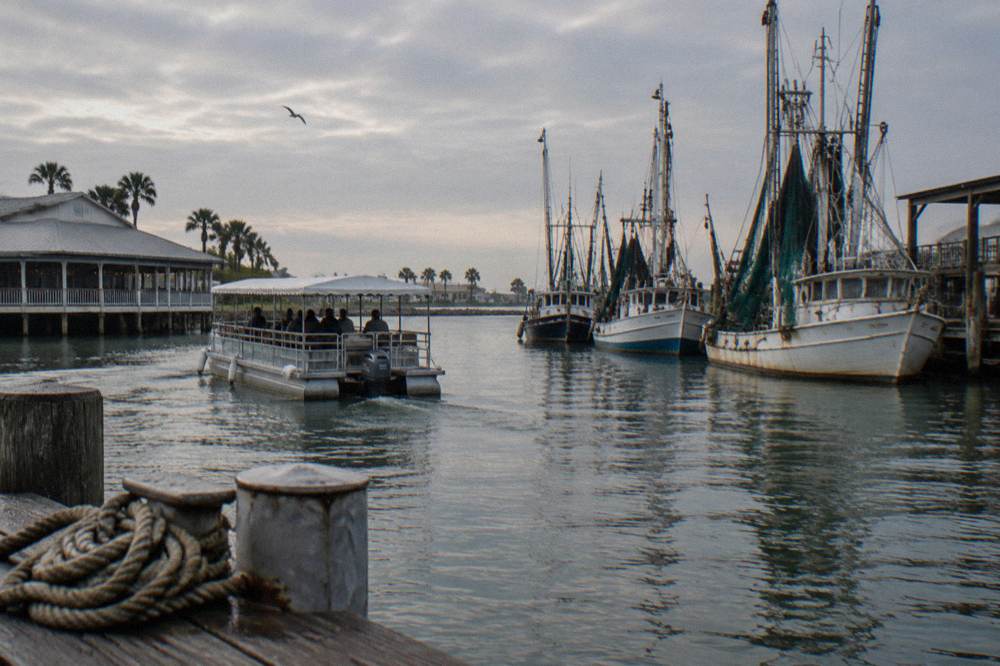
For most visitors, yes, if you would enjoy the harbor and the history regardless of the dolphins, because the cruise is a 45-minute ride with frequent sightings, not a dolphin-delivery service. Winter brings smaller crowds, easier parking near Pier 21 and a harbor that belongs to working shrimp boats rather than tourists. If dolphins are the only thing you want, and you have flexibility on when to visit, the May to October window is the better bet.
The value question splits on what you are actually buying. A Baywatch cruise is a short narrated ride through a working harbor with a strong chance of dolphins, and the winter version of that is the same ride with fewer people at the rail. The history cruise in particular carries its own content: Galveston's maritime story fills the 45 minutes whether or not a dorsal fin appears, which is exactly why it is the pick for a cold-month trip. The naturalist-led cruise does the same job through biology rather than history.
Winter also pairs well with the rest of a Galveston off-season day. The Strand's shops and restaurants are open, the Galveston to Bolivar ferry is free and runs all day, and hotel rates drop after the holidays. A morning dolphin cruise, a ferry round trip and an afternoon on the Strand is a full day that costs very little beyond lunch. Visitors weighing the island as a whole can dig into whether Galveston is worth visiting for more on the off-season case.
The comparison the article exists to make, in the end, is simple. Summer gives you better dolphin odds and worse everything else: heat, crowds, cruise-port traffic on Harborside. Winter gives you the same harbor, the same resident dolphins, a 4.9-rated cruise from $34.86 and a wind you need a jacket for. Plenty of people prefer the second version, and the free-cancellation policy means the weather can make the final call without costing you anything.
Common Questions About Dolphins In Galveston In Winter
Can you see dolphins in Galveston in winter?
Yes. Bottlenose dolphins live in Galveston Bay year-round, and the research program that counts them runs surveys in January and finds them. Winter sightings are frequent in the harbor and channel, though activity is lower than the May to October peak, and no tour guarantees a sighting.
Which winter months are best for dolphin sightings in Galveston?
All of them, with a tilt toward the later months. Dolphin activity rises from roughly May through October, so a March or April trip sits closer to the peak than a January trip. Within any winter day, early morning and late afternoon around moving tides are the best windows.
Do dolphin tours in Galveston run in December and January?
Yes. The Baywatch cruises from Pier 21 operate year-round, with the standard dolphin cruise at 40 to 45 minutes from $34.86, the history cruise at 45 minutes from $43.57, and the naturalist-led cruise at 45 minutes from $32. Winter weekday schedules can be thinner, so check the live listing for your date.
How cold is a dolphin cruise in Galveston in winter?
Plan for it to feel noticeably colder than the shore forecast once the boat is moving. January highs average 61 to 63 degrees with lows near 48 to 50, so a windproof layer over warm layers, plus a hat and gloves for morning trips, is the right kit.
Can you see dolphins from the Galveston ferry in winter for free?
Yes. The Galveston to Bolivar ferry is a toll-free TxDOT service running 24 hours a day year-round, weather permitting, and dolphins commonly ride the wake along the 2.7-mile crossing. Walk-on passengers board without waiting in the vehicle line.
Is swimming with the dolphins an option in Galveston?
No. NOAA does not authorize swimming with, touching or feeding wild dolphins in Texas waters, and tour operators keep at least 50 yards away while viewing. All Galveston dolphin experiences are watch-only, from boats, the ferry or shore.