Is A Dolphin Cruise Worth It?
A skeptic's answer for Galveston: what a dolphin cruise costs, what the money actually buys, and when the free Bolivar ferry is the smarter choice.
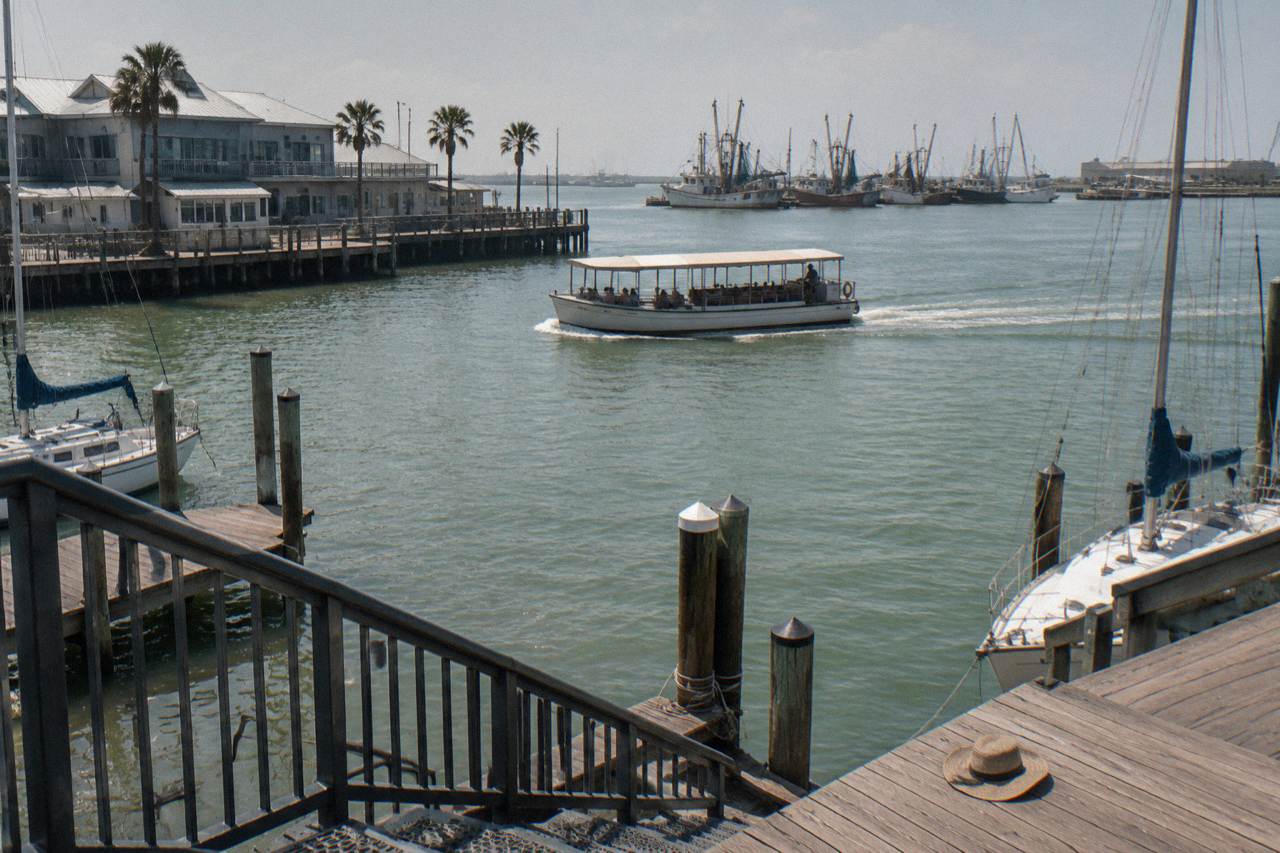
Galveston sells a lot of boat rides, and the dolphin cruise is the one visitors second-guess most. The harbor here is working water: shrimp boats, cargo ships, the Bolivar ferry, and, reliably enough that locals stop pointing, common bottlenose dolphins. So the fair question is not whether dolphins exist in Galveston Bay. It is whether paying roughly $29 to $44 per person for a 45-minute to one-hour boat ride buys something you could not get for free from the ferry rail or the Seawall. This article takes the skeptic's side and works through the actual tour roster, then tells you honestly who should skip the ticket entirely. Before you write off the ticket, the full price comparison of every Galveston dolphin tour shows exactly what each operator charges and what that fare actually covers.
Is A Dolphin Cruise Worth It?
For most first-time visitors to Galveston, yes: the cheapest cruises start at $29 for a full hour on the water, sightings are very likely year-round in the harbor, and the ticket buys narration, restrooms, and a captain who knows where the pods feed. For travelers on a tight budget, no: the free Bolivar ferry crosses the same dolphin-rich channel, and dolphins frequently ride its wake.
The case against buying a ticket is real, so start there. The Galveston to Port Bolivar ferry is a toll-free service run by TxDOT, crossing about 2.7 miles of the ship channel in roughly 18 to 20 minutes, and bottlenose dolphins are commonly seen from its deck, often riding the wake alongside the vessel. That costs nothing. Shore spots work too: Seawolf Park on Pelican Island is one of the most reliable free watching points in the county, and dolphins patrol the Seawall jetties early in the morning. If your only goal is to see a dorsal fin at least once, Galveston will probably oblige you for free.
The case for the paid cruise is what the free options cannot deliver. A boat like the Baywatch fleet runs a narrated 3-mile route through the harbor with maritime history and dolphin commentary, covered seating, an on-board restroom, and a captain who heads for the channel edges and shrimp-boat activity where pods concentrate. You are on the water at dolphin level rather than watching from 20 feet up a ferry deck, you get 40 to 45 minutes of it instead of a single crossing, and small children get a bathroom. That is the product. Whether it is worth the price is a value question, and the next section lays out the real numbers.
What A Galveston Dolphin Cruise Costs Per Minute
Galveston dolphin cruises run from $29 to $43.57, and each lasts between 45 minutes and one hour, so every boat trip lands in the same rough value band of about a dollar a minute or less. The cheapest pure dolphin cruise is Island Tours' one-hour trip from Katie's Seafood House at $29, while the priciest dolphin-branded product, the Segway Seawall ride at $64, is not a boat at all.
Here is the full price picture, using only the printed listing prices and durations. Read the duration column against the price column and the value story tells itself: the harbor cruises cluster tightly, and the outliers are either a different format entirely or a premium small-group product.
| Tour | Listed price | Duration | Rating on the listing |
|---|---|---|---|
| Island Dolphin Tours (Katie's Seafood House) | from $29 | 1 hour | no reviews yet |
| Naturalist-led dolphin cruise (Pier 21) | from $32 | 45 minutes | 4.8 from 282 reviews |
| Baywatch Pier 21 dolphin cruise | from $34.86 | 40 to 45 minutes | 4.9 from 2,628 reviews |
| 1-hour history cruise, dolphins possible | from $40 | 1 hour | 4.9 from 9 reviews |
| 45-minute history cruise with dolphins | from $43.57 | 45 minutes | 4.7 from 118 reviews |
| Seawall Segway tour with dolphin sightings | from $64 | 1 hour | no reviews yet |
| Small-group sea kayak tour | from $266 | 4 hours | no reviews yet |
Two honest readings fall out of that table. First, the price spread at the bottom is narrow: the gap between the cheapest cruise and the most popular one is under six dollars on a single ticket, and the two products run almost identical routes from the same harbor. Second, the two most-reviewed products on the roster are not the cheapest. The Baywatch Pier 21 cruise, from $34.86 with a 4.9 rating from 2,628 reviews, costs more than Island Tours' $29 trip, which has no reviews yet. You are paying a small premium for a 2,600-review track record, and that is a legitimate thing to pay for, but it should be a conscious choice rather than a default.
The naturalist-led option sits in the middle at from $32 for 45 minutes, with a 4.8 rating from 282 reviews. Its listing adds a naturalist guide to the standard cruise format, plus on-board restrooms and wheelchair access with advance notice. Check availability on the live listing if that middle path fits, since times and capacity move with the season.
The Honest Part: No Cruise Guarantees Dolphins
No Galveston dolphin tour guarantees a sighting, and any operator that promised one would be lying, because these are wild animals protected by federal law. What the record supports is "very likely": the Galveston Bay Dolphin Research Program counted 2,487 dolphins across 249 groups in 39 surveys during 2025 alone, and sightings are reported year-round in the harbor, channel, and ferry lane. Expect a probable sighting, not a certainty.
The science behind that confidence is worth knowing. The Galveston Bay Dolphin Research Program, a partnership involving the Galveston Bay Foundation and the University of Houston-Clear Lake, keeps a photo-identification catalog of over 1,000 individual dolphins recognized by their dorsal fins. NOAA's stock assessment for the Galveston Bay, East Bay, and Trinity Bay stock puts the best abundance estimate at 842 animals, with a minimum estimate of 787. Those animals do not migrate away: roughly 43 percent of the dolphins identified in one multi-year study of upper Galveston Bay were year-round or seasonal long-term residents. A cruise is not gambling on whether dolphins are in the bay. It is gambling on whether a pod is near your route during your 45 minutes, and in a working harbor where dolphins follow shrimp boats and patrol the channel edges, that gamble usually pays.
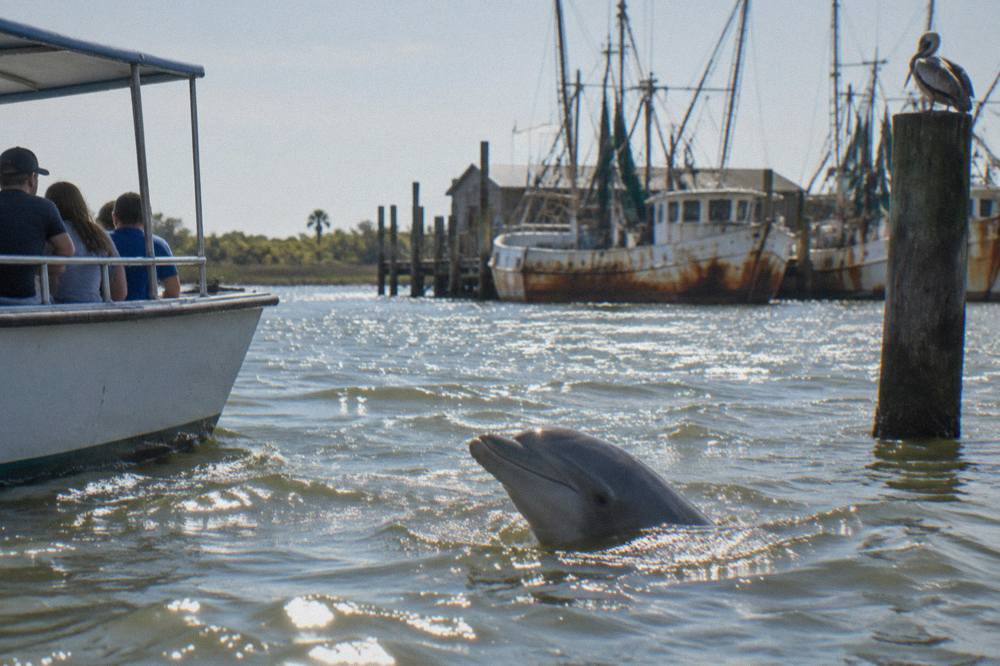
The legal frame matters too, because it explains what a responsible cruise can and cannot do. NOAA's marine life viewing guidelines require watercraft to stay at least 50 yards from dolphins, about half a football field, and prohibit feeding, touching, chasing, or swimming with them under the Marine Mammal Protection Act. A lawful Galveston cruise therefore cannot chase a pod, circle it closely, or lure it to the boat. What it can do is position near feeding activity and let curious dolphins, which frequently bow-ride vessel wakes on their own initiative, come to the boat. If a listing or ad implies close interaction or a guaranteed encounter, treat that as a red flag rather than a selling point. The deeper version of this no-guarantee story, including what federal law actually prohibits, is in do dolphin tours guarantee sightings.
There is also a fair refund question, and the roster answers it well: every cruise on this site carries free cancellation. A weather-scrubbed departure or a bad-weather call by the captain costs you the outing, not the money. Weather calls in Galveston are the operator's call, announced by the operator, and the bay genuinely does blow up on strong northeast wind days, so a flexible booking policy is not a marketing nicety here. It is the difference between a minor disappointment and a lost fare. If you are traveling in the stormier shoulder months, the season-by-season cancellation picture is covered in Galveston weather and boat tour cancellations.
A few practical notes follow from all of this. Because the 50-yard rule is a distance requirement, not a ban on proximity, dolphins that choose to approach a boat are not a violation, and a good captain will simply hold course and let the animals control the encounter. That means the best moments on a Galveston cruise tend to happen on the dolphins' terms, often near the channel edges or behind working shrimp boats where feeding activity concentrates. Bring binoculars if you have them, since a pod holding its distance can still put on a show of breaches and wake-riding visible from across the water. Dolphins aren't the only wildlife worth knowing about around here, so if you're curious about the alligators in Galveston's nearby marshes and bayous, our guide to what actually lives in the water around Galveston Bay covers where they are and how to see them safely.
Timing also works in your favor more than the no-guarantee framing suggests. With over 1,000 individually identified dolphins in the photo catalog and a large resident population that stays through winter, the bay is never empty of dolphins; the variable is only where they are spending a given hour. If your first cruise comes up short on visible activity, the free cancellation policy makes a second attempt on a calmer wind day a reasonable plan rather than a repeated expense.
Who A Paid Cruise Actually Suits
A paid dolphin cruise suits families with children under about 10, cruise-port visitors with three or four spare hours before embarkation, anyone who wants narration and history with the wildlife, and visitors who want a probable sighting inside a fixed one-hour window. It does not suit wildlife photographers chasing long lens work, since the 50-yard rule keeps subjects small, and it does not suit travelers whose budget makes $34 a real decision.
Break that down. Families get the most obvious value: the cruises are 40 to 60 minutes, which is inside a young child's attention span, the boats have restrooms, and the operator directory describes the Baywatch product as family-friendly for all ages with stroller access and leashed dogs welcome. A dorsal fin 50 yards off the bow is plenty for a five-year-old, and the history narration gives the adults something when the water is quiet. The full kid-angle breakdown, including what the boats are like with small children aboard, is in is a Galveston dolphin tour good for kids.
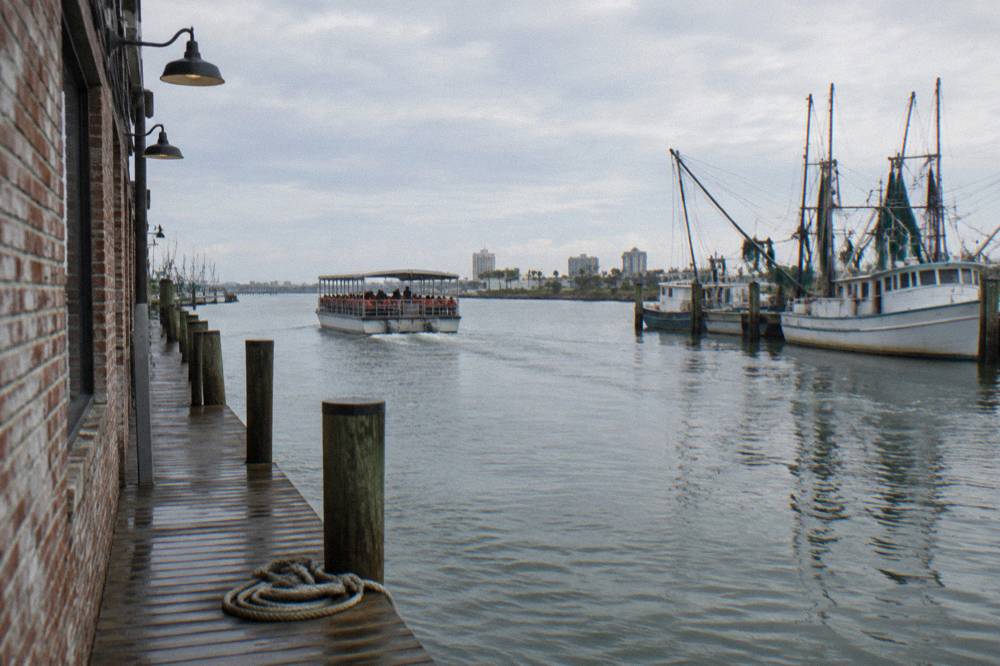
Cruise passengers are the second natural fit. Galveston is a major homeport, and the Pier 21 departure point sits on Harborside Drive minutes from the cruise terminals, with check-in at the kiosk in front of the Harbor House Hotel 30 minutes before departure. A 45-minute cruise plus check-in plus a walk back to the terminal fits comfortably into a pre-embarkation morning, and the harbor route itself passes the kind of working-waterfront scenery that a port day otherwise only shows from the ship's deck. If your ship sails in the afternoon, the early-morning cruise slot, which is also one of the two most reliable sighting windows, lines up almost perfectly. The full port-day itinerary, including where the terminals sit relative to Pier 21, is laid out in the day before your cruise ship guide.
The narration buyer is the third type. Two roster products bundle Galveston history with the dolphin watching: the 45-minute history cruise with dolphins at from $43.57, rated 4.7 from 118 reviews, and the one-hour historic harbor tour at from $40, rated 4.9 from a small pool of 9 reviews, where dolphins are named as a possible sighting rather than the headline. These cost more than the pure dolphin cruises, and the premium is buying the storytelling. If you would otherwise pay separately for a harbor history tour, the bundle is genuinely better value than either product alone.
Who Should Take The Free Ferry Instead
Budget travelers, large groups, and anyone whose real goal is a nice boat ride should take the free Bolivar ferry rather than a paid cruise: it is toll-free, runs 24 hours a day year-round, crosses the channel in about 20 minutes, and dolphins frequently ride its wake. The trade-offs are no narration, no dolphin-focused routing, and a sighting that is probable but not the point of the trip.
The ferry's facts are unusually good for a free thing. TxDOT operates it around the clock, with one vessel overnight and additional boats added from 6:30 in the morning, up to five in summer and holiday traffic. Parking in the terminal lots is free while you ride, walk-ons board without the vehicle line, and there is no fixed timetable: boats leave when full, roughly every 15 to 20 minutes. The crossing itself is the same ship channel the paid cruises skim the edge of, and the ferry's own social account, along with years of passenger reports, regularly notes dolphins alongside the vessel. The official TxDOT ferry page posts the operating details and any weather-related service changes, and TxDOT is the authority that announces those.
Be honest about the downsides before you commit an afternoon to it. The ferry's route is fixed, so if the pods are up the harbor near the shrimp boats rather than in the channel, you will get birds and ships instead. The crossing is 18 to 20 minutes, so a round trip with loading is about an hour, and the deck is high above the water compared with a cruise boat's rail. Wait times on peak weekends can stretch well past 30 minutes for vehicles. And the ferry runs in whatever weather TxDOT deems safe, which in a strong northeast wind is a choppier, spray-heavy ride than the sheltered harbor loop the cruise boats run. For a deeper treatment of the free option, including the shore spots, see the Galveston to Bolivar ferry guide.
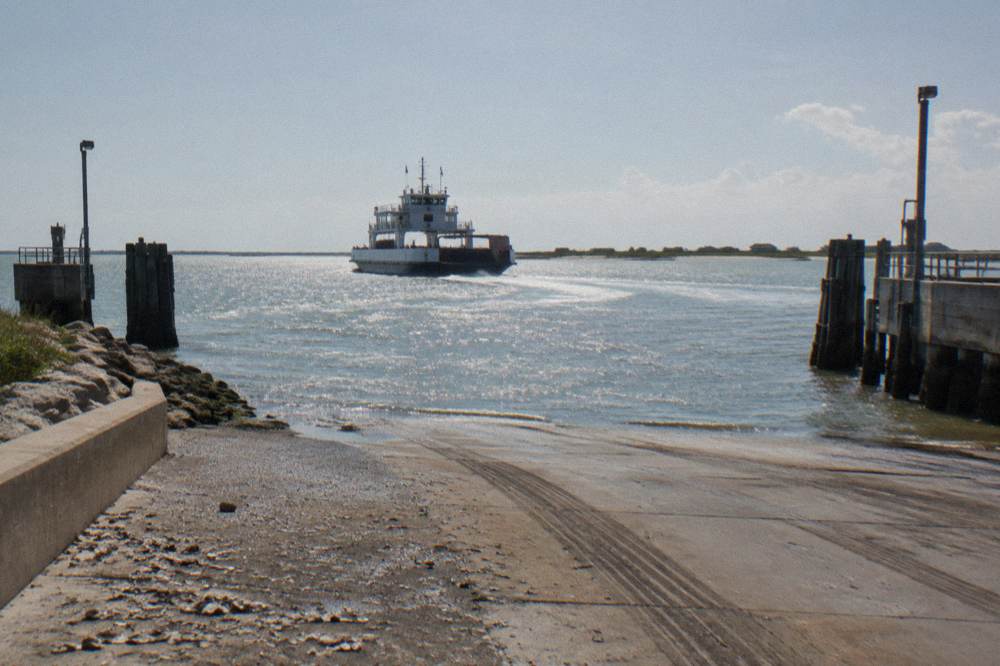
The middle path is worth naming too, because it is not either-or. Many visitors ride the ferry on the day's schedule anyway, since Bolivar Peninsula's bay side is itself a reliable watching spot, and book a cheap cruise only if the ferry produced nothing. At Island Tours' $29 fare, the hedge costs less than a restaurant appetizer, and the operator is a separate company from Baywatch, checking in at a trailer outside Katie's Seafood House on Wharf Road rather than at Pier 21. That split matters logistically: the two cheapest cruises on the roster leave from different parts of the harbor, so a weather or parking problem at one does not necessarily kill the other. The free-watching angle, including Seawolf Park and the best shore vantage points, is expanded in free things to do in Galveston. If you want the dolphins to anchor a fuller day on the island, the guide to fitting Galveston's must-sees into one day shows how to pair a cruise with the ferry and the Seawall.
The Verdict After The Math
Counting only the dolphin-focused products, a Galveston dolphin cruise costs roughly $29 to $44 for 45 to 60 minutes on the water, sightings are very likely but never guaranteed, and free cancellation removes the financial risk. It is worth it for families, port-day visitors, and first-timers who want the sighting to be the point; it is not worth it for tight budgets, who should ride the free ferry first.
The skeptic's summary, in one breath: the money buys narration, a restroom, dolphin-level viewing, and a captain who knows where the animals feed that morning, and it does not buy a guarantee, because no lawful product could. The Galveston Bay Dolphin Research Program catalog of over 1,000 identified dolphins is why the odds are as good as they are; the NOAA viewing guidelines are why the encounter stays at 50 yards. If both of those feel like a fair trade for about $30, book it. If they do not, the ferry is free, runs all day, and the dolphins do not know which boat you paid for.
One last planning note: this site's own Galveston Dolphin Tours homepage comparison sorts the whole roster by price and format, which is the fastest way to see whether the cruise you were about to book is actually the cheap one. And if your question is less about value and more about timing, the month-by-month odds are laid out in what month is best for dolphin watching.
Common Questions About Dolphin Cruise Value
Is a dolphin cruise worth it?
For most first-time Galveston visitors, yes: the cheapest cruises start at $29 for a full hour, sightings are very likely year-round in the harbor, and every roster cruise offers free cancellation. Budget travelers should ride the free Bolivar ferry first and pay only if the channel comes up empty.
How much does a Galveston dolphin cruise cost?
Listed prices on this site's roster run from $29 to $43.57 for the harbor dolphin cruises, with the Seawall Segway option at $64 and the four-hour small-group kayak tour at $266. Child and infant fares are shown on each live listing and are not printed here.
Can you see dolphins from the free Galveston ferry?
Yes, frequently. The TxDOT ferry is toll-free, crosses the ship channel in about 18 to 20 minutes, and bottlenose dolphins commonly ride its wake. Sightings are probable but not guaranteed, and the ferry route is fixed, so the odds are lower than on a cruise that can steer toward feeding activity.
Do Galveston dolphin cruises guarantee sightings?
No, and no lawful tour could. Dolphins are wild animals protected under the Marine Mammal Protection Act, and NOAA guidelines require boats to stay at least 50 yards away. Galveston cruises describe sightings as very likely, and the harbor's resident population makes that description accurate.
Which Galveston dolphin cruise is the cheapest?
Island Tours' one-hour dolphin cruise from Katie's Seafood House, from $29 per person, is the cheapest on the roster. It has no reviews yet, while the most popular option, the Baywatch Pier 21 cruise from $34.86, carries a 4.9 rating from 2,628 reviews.
Is a dolphin cruise worth it for kids?
Usually yes. The 40 to 60 minute runtime fits young attention spans, the boats have restrooms, and the operator describes the product as family-friendly for all ages with stroller access. A sighting 50 yards off the bow is plenty for a small child, and free cancellation caps the downside.