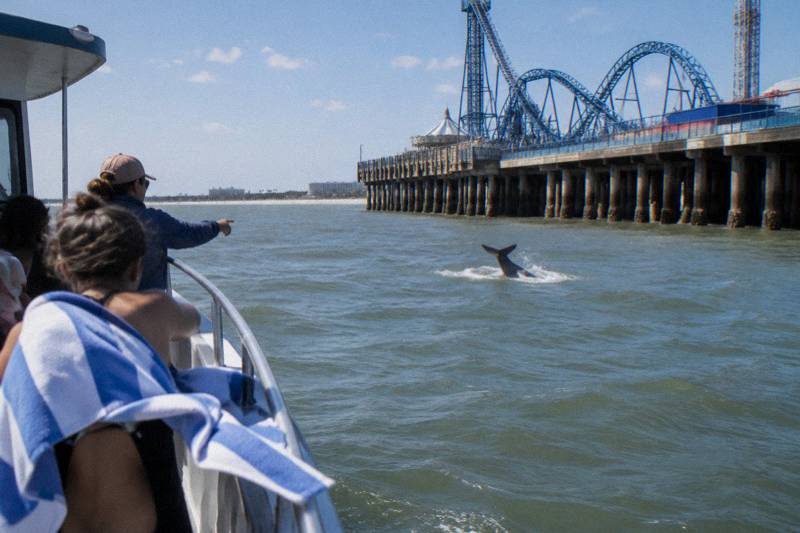
Do Dolphin Tours Guarantee You Will See Dolphins?
No Galveston dolphin tour guarantees sightings, but harbor cruises report dolphins very often. Here is what the listings actually promise, and how to raise your odds.
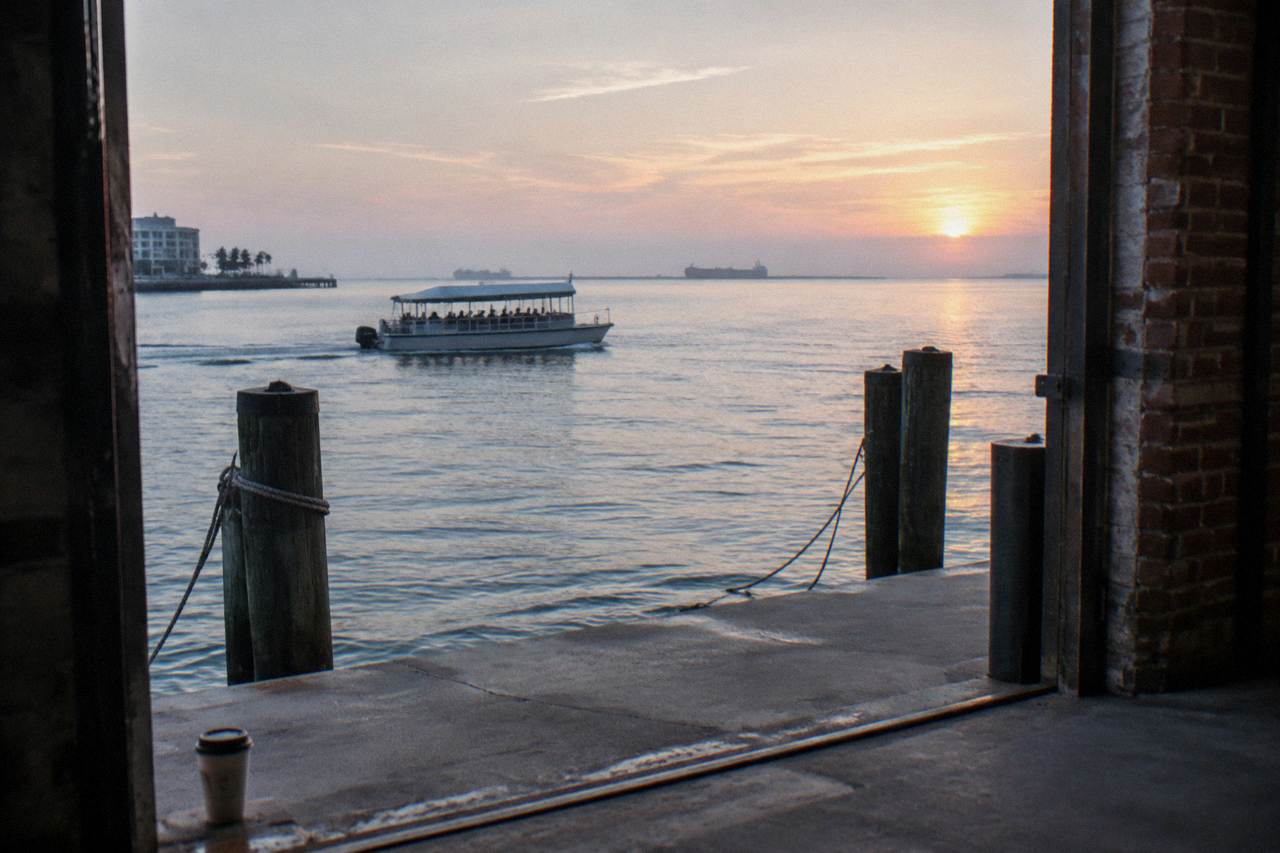
Galveston harbor is one of the more dependable places on the Texas coast to watch wild bottlenose dolphins, and that reliability creates a fair question from anyone about to spend money on a boat ride. Do dolphin tours guarantee you will see dolphins? The short answer is no, and any operator promising otherwise would be breaking both the science and the law that protects these animals. The longer answer is more encouraging: on Galveston's harbor routes, sightings are very likely, and the data behind that phrase is stronger than most visitors expect.
Do Dolphin Tours Guarantee You Will See Dolphins?
No dolphin tour in Galveston, or anywhere in United States waters, guarantees that you will see dolphins. The animals are wild, they move on their own schedules, and federal marine mammal protections forbid operators from pursuing or encircling them to force an encounter. What Galveston tours offer instead is a very high probability, because the harbor and its ship channels hold resident dolphins year-round, and captains know exactly where they feed.
The guarantee question matters because the word gets used loosely in travel marketing. A restaurant can guarantee a table, a rental company can guarantee a car, and those promises are enforceable because a business controls the thing being promised. A dolphin is not a table. The common bottlenose dolphins in Galveston Bay are the only cetacean species observed in the bay, and they are protected under the Marine Mammal Protection Act, which NOAA Fisheries administers. Under NOAA's viewing guidelines, boats must stay at least 50 yards from dolphins, never feed them, and never chase or circle them. A captain who pinned a pod against a seawall so every passenger got a photo would be committing harassment under federal law, with penalties that can reach six figures.
So the honest framing is probability, and Galveston's probability is unusually good. The Galveston Bay Dolphin Research Program, a partnership involving the Galveston Bay Foundation and the University of Houston-Clear Lake, has cataloged more than 1,000 individual dolphins by dorsal fin photographs. In its 2025 survey season alone, the program ran 39 boat surveys, recorded 249 dolphin groups, and counted 2,487 dolphins across those trips. That is a research program deliberately going out to find dolphins in the same waters the tour boats cross, and it does not come back empty.
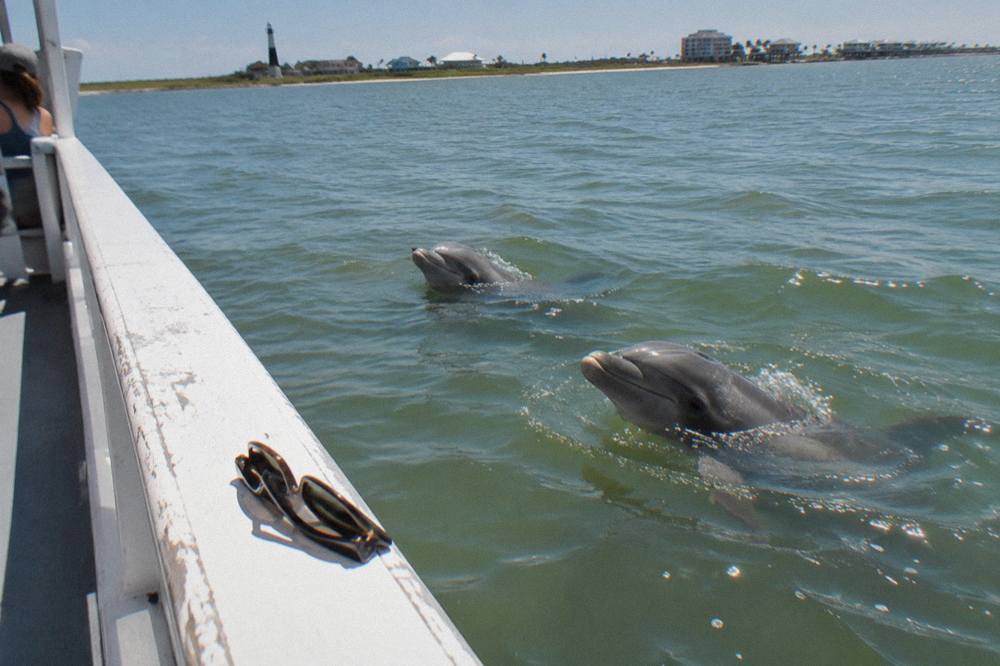
None of that makes a sighting certain on any given 45-minute cruise. It does mean that when a listing says dolphins are "very likely" or, as one Galveston kayak listing puts it, visible "if you're lucky," the language is calibrated rather than evasive. The distinction between those two phrasings is real, and it tells you something about the route.
How Likely Are Dolphin Sightings On A Galveston Harbor Cruise?
On the harbor cruises departing Pier 21 and the Galveston Harbor docks, sightings are very likely, with reviewers frequently describing dolphins on their trips. The Baywatch Pier 21 cruise holds a 4.9 rating from 2,628 reviews, a pool large enough that passengers clearly feel they got what they came for. Still, very likely is not guaranteed, and the occasional trip does come back without a confirmed pod.
Why the odds are so good comes down to geography. Galveston Harbor sits at the mouth of the Houston Ship Channel, one of the busiest shipping lanes in the country, and the channel's deep water, strong tides, and constant vessel traffic concentrate baitfish. Dolphins follow the food. They also follow the boats themselves: bow riding, the behavior of surfing a vessel's pressure wave, is one of the most commonly documented behaviors in the bay, and the research program's own newsletter is named for it. A dolphin that has learned that a slow-moving hull pushes fish ahead of it will often escort a tour boat voluntarily, well inside camera range, without the boat ever closing the 50-yard distance NOAA requires.
The season matters less than visitors assume. Sightings are possible in Galveston year-round, with higher activity roughly May through October, and the resident stock does not leave in winter. NOAA's stock assessment for the Galveston Bay, East Bay and Trinity Bay stock put the best abundance estimate at 842 animals, with a minimum estimate of 787, based on winter photo-identification surveys. The count was taken in January, the coldest month, and the dolphins were still there. That is the quiet statistical argument behind the winter cruises: fewer boats on the water, same resident population.
Time of day is the variable you actually control. Early morning, in the first hours after sunrise, and late afternoon are the most reliable windows, especially when the tide is moving, because moving tides concentrate prey and feeding activity follows. Slack tide at midday is the softest stretch. A cruise scheduled around 9 a.m. or the last departure before sunset carries better odds than a noon boat, and the booking page shows the departure times for each date.
Why No Galveston Tour Can Promise A Sighting
A guaranteed sighting would require an operator to control wild animals, which is illegal under the Marine Mammal Protection Act, and dishonest, because dolphins change feeding grounds with tides and seasons. NOAA rules require boats to hold 50 yards off, keep engines neutral near dolphins, and move away if the animals show disturbance. Any captain working those rules honestly accepts that the dolphins decide the encounter.
The 50-yard minimum deserves a plain explanation, because it shapes the whole experience. Half a football field sounds like a lot from the dock. From the observation deck of a covered tour boat, it is close enough to see dorsal fins, splashes, and a mother-calf pair traveling together, especially in the flat water of a protected harbor. Bow-riding dolphins routinely close that distance themselves, choosing to travel alongside a boat. The law restrains the operator, not the animal, and the animal frequently ignores it.
Feeding is the other bright line. A dolphin that is fed by boats learns to approach vessels and beg, a behavior NOAA links to boat strikes, propeller injuries, and entanglement with fishing gear. Legitimate Galveston operators do not chum, bait, or call dolphins in, which is precisely why they cannot promise one at the rail. The tours that look effortless are running on local knowledge of where pods feed on a given tide, not on tricks.
There is also a business reason the honest answer holds. Baywatch Dolphin Tours has operated from Pier 21 since 2005, per the Visit Galveston operator directory, on a roughly 3-mile narrated harbor route. A two-decade-old business built on repeat customers and harbor-side foot traffic does not survive by overpromising. Its listings and its competitors' listings lean on words like "very likely" and "possible" because those words are accurate, and because the experience, the harbor itself, the ships, the history narration, carries the trip even on a quiet afternoon.
Which Galveston Dolphin Cruises Have The Best Odds?
The harbor-based cruises have the strongest sighting odds because their routes cross the ship channel and ferry lane where dolphins feed. The Baywatch Pier 21 cruise, the naturalist-led Pier 21 cruise, and the Island Tours hour-long cruise from Katie's Seafood House all work the same productive water. The farther a trip roams from the channel, the more its listing hedges, and the kayak tour's "if you're lucky" phrasing reflects that honestly.
The roster below compares how each product frames its dolphin odds, using each listing's own language and the verified rating and price data. Notice the pattern: the closer the departure point to Galveston Harbor's channel, the more confident the phrasing. The wider set of guides lives on Galveston Dolphin Tours.
| Tour | Route and duration | Dolphin language on the listing | Rating and reviews | From (per person) |
|---|---|---|---|---|
| Baywatch Pier 21 Dolphin Cruise | Galveston Harbor, 40 to 45 minutes | Dolphin cruise, sightings very likely | 4.9 from 2,628 reviews | $34.86 |
| Naturalist-Led Dolphin Cruise | Galveston Harbor, 45 minutes | Dolphin-watching cruise with captain and naturalist | 4.8 from 282 reviews | $32 |
| Island Tours, 1-Hour Dolphin Cruise | Galveston Harbor from Wharf Rd, about 1 hour | Dolphin cruise, life jackets included | No reviews yet | $29 |
| 45-Minute History Cruise With Dolphins | Galveston Harbor, 45 minutes | Harbor history with dolphin watching | 4.7 from 118 reviews | $43.57 |
| 1-Hour History Cruise, Dolphins Possible | Galveston Harbor, 1 hour | Dolphins named as a possible sighting | 4.9 from 9 reviews | $40 |
| Segway Seawall Ride | Seawall, 1 hour | Dolphins a named possible sighting | No reviews yet | $64 |
| Small-Group Sea Kayak, 4 Hours | Galveston Harbor, 4 hours | Dolphins "if you're lucky" | No reviews yet | $266 |
Two things in that table deserve a second look. The history cruises are the same Baywatch operation, same docks, same water, with the emphasis shifted toward Galveston's maritime past, and dolphins are still part of the pitch. The Segway and kayak products are different animals entirely: a Seawall ride views the water from land level at speed, and a four-hour small-group paddle covers harbor water slowly and quietly, which some watchers prefer, but neither can chase a report the way a powered boat can.
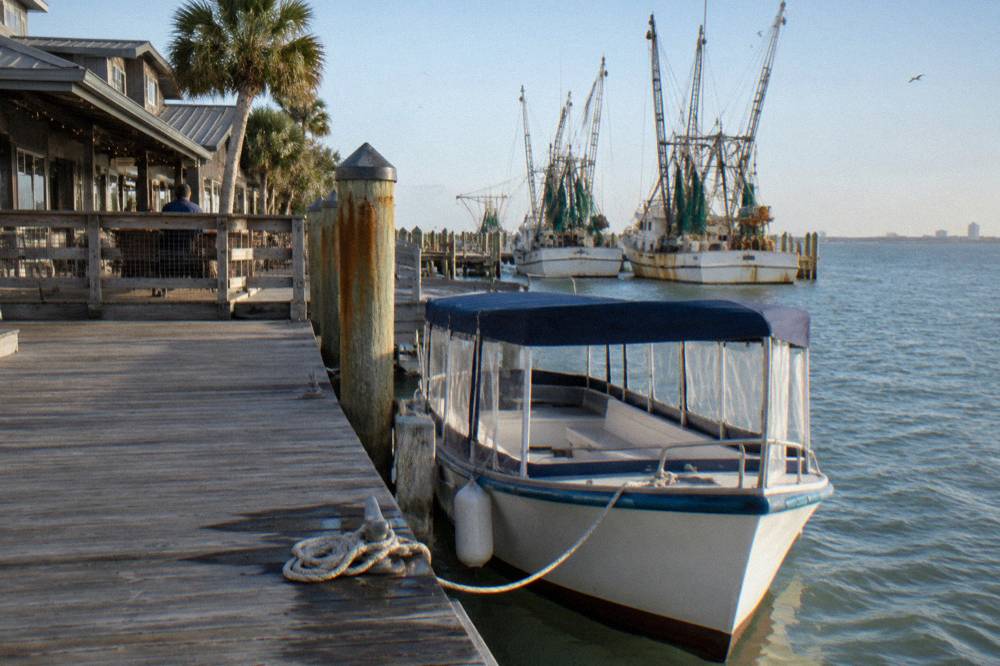
The naturalist-led cruise is the pick for visitors who want the sightings explained, not just pointed at. It runs 45 minutes from the Pier 21 kiosk, carries a naturalist guide alongside the captain, and is listed as wheelchair accessible with advance notice, a detail worth confirming when you book. It is also the cheapest way onto a Baywatch vessel at $32 per person, against $34.86 for the flagship cruise, a difference small enough that the guide, not the price, should make the decision.
The Island Tours product is the interesting wildcard. It is a separate operator from Baywatch, checking in at a trailer outside Katie's Seafood House on Wharf Rd, and it runs a full hour, the longest powered dolphin cruise on the roster, at $29 per person. It has no reviews yet, so there is no traveler verdict to lean on, only the route. An hour on the same harbor, for less money, with a bigger 49-passenger cap, is a reasonable bet for a family, and the free-cancellation terms on the listing soften the experiment.
What Happens If You Do Not See Dolphins On A Tour?
None of the Galveston listings on this site promises a refund or a free re-ride for a no-show pod, because none of them guarantees sightings in the first place. What you are buying is the cruise, the harbor, and the narration, and the booking terms reflect that. If a missed sighting would ruin the outing for you, book the cruise for the ride itself and treat the dolphins as the bonus they statistically are.
That sounds harsher than it plays out in practice. On a 45-minute harbor route through a working port, the dolphins are the headliners but not the whole show: container ships and tankers at close range, the ferry lane traffic, the historic waterfront from the water, and on the history cruises, a narrated past of pirates, immigration and the island's storied storms. Reviewers who mention quiet dolphin stretches still describe the ride fondly, which is consistent with the ratings holding near 4.9 across thousands of reviews. A trip that regularly disappointed would not sustain that.
The practical hedge is the free cancellation these listings carry. Every dolphin cruise on the roster advertises free cancellation, so if the forecast turns poor, or a cruise-ship day floods the harbor with traffic, you can adjust without eating the fare. Weather cancellations are a separate matter from sighting luck: operators cancel for safety when the National Weather Service flags small craft conditions, and that decision is announced by the operator, not assumed. The guide to Galveston weather and boat tour cancellations covers how those calls get made.
If seeing dolphins is the entire point of your day, stack the deck instead of buying a promise. Book the day before a cruise-ship departure rather than an embarkation day, take an early departure, and check the live listing for times before you commit. The question of whether to book in advance has its own answer, but the short version is that the first and last departures of the day fill first, and those are the two you want.
How To Improve Your Chances Of Seeing Dolphins
Pick an early morning or late afternoon departure, go in the warmer months if your schedule allows, choose a harbor cruise over a shore-based ride, and watch the water on moving tides. Those four choices move the odds more than any operator choice does, and all of them are free to make. The one thing you should never do is chase the animals yourself from a rental or a kayak, which is both illegal and counterproductive.
The seasonal math first. Sightings run year-round in Galveston, but activity rises roughly May through October, when baitfish are abundant and mother-calf pairs are commonly seen. Cooler months concentrate dolphins in the lower bay and channel mouths, which is exactly where the harbor cruises go, so a winter trip is far from hopeless. The full breakdown of the best time to see dolphins in Galveston weighs the seasons in more detail.
Then the daily clock. Dolphins feed hardest in the first hours after sunrise and again in late afternoon, and a moving tide concentrates prey fish, which concentrates everything that eats them. Midday, slack-water departures are the weakest slot. If the booking page shows a 9 a.m. and a 2 p.m. cruise on the same day, the morning boat is the better bet, all else equal.
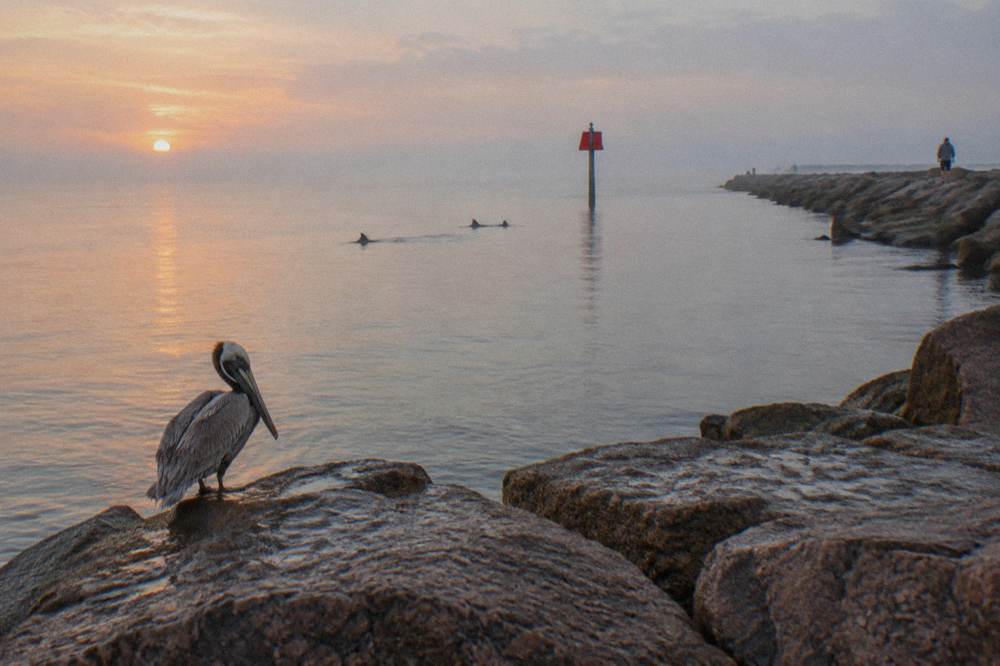
Behavior knowledge helps once you are aboard. Watch for diving birds, especially pelicans and terns working a patch of water, because feeding birds mark feeding fish, and feeding fish mark dolphins. Watch shrimp trawlers if any are working the harbor: dolphins routinely follow active trawls for an easy meal, one of the best documented associations in the bay. And watch the wake, because bow-riding dolphins often arrive at the boat rather than the reverse.
One caution that belongs in any honest answer: never try to close the distance yourself. Swimming with wild dolphins is not legal in United States waters, NOAA does not authorize it, and the explanation of swim-with-dolphins rules in Galveston covers why in full. From a personal kayak or rental boat, the same 50-yard rule that binds the tour operators binds you. The animals decide the encounter. The data says they usually decide in your favor.
Can You See Dolphins In Galveston Without Paying For A Tour?
Yes, and reliably, if you know where the channel runs. The Galveston to Bolivar ferry is toll-free, runs around the clock, and dolphins are commonly seen riding its wake. Seawolf Park on Pelican Island is the most dependable shore spot on the island, and the Seawall jetties produce early morning sightings. Free viewing carries the same caveat as the paid cruises: very likely is not guaranteed.
The ferry is the best free dolphin platform on the upper Texas coast. The Texas Department of Transportation runs the Galveston-Port Bolivar service as a toll-free crossing, 24 hours a day, weather permitting, over a 2.7-mile channel crossing that takes about 18 to 20 minutes, with free parking at both terminals while you ride. Dolphins are frequently reported escorting the ferries in the channel lane, riding the wake in small groups, and passengers regularly post sightings alongside the seabirds. You are not guaranteed a wake-rider on any given crossing, but repeat the round trip a couple of times and your odds are respectable, at a price of zero dollars.
Seawolf Park on Pelican Island is the shore alternative. It sits on the channel near the ferry lane and ship traffic, and watchers there report dolphins so regularly that the spot serves as a land-based monitoring station for the research program. The full guide to Seawolf Park and Pelican Island dolphin watching covers what to expect from the rail. The bay side of Bolivar Peninsula and the Seawall jetties near 29th Street round out the free list, with early morning the shared sweet spot.
The honest comparison is not free versus paid, it is fixed versus mobile. A shore watcher stares at one patch of productive water and waits. A tour boat covers several miles of the most productive water in the harbor, with a captain who has watched it daily for years, in 45 minutes. That is what the ticket buys, and it is why the paid cruises convert probability into stories so often. Whether that edge is worth $29 to $43 depends on your budget and your patience, and both answers are reasonable.
Common Questions About Dolphin Sightings
Do dolphin tours guarantee you will see dolphins?
No. Dolphins are wild, protected animals, and federal rules forbid operators from chasing, feeding, or encircling them to force an encounter. Galveston harbor cruises report sightings on the large majority of trips, so the odds are genuinely good, but no listing on this site promises a dolphin, and any that did would be one to avoid.
How likely am I to actually see dolphins on a Galveston cruise?
Very likely, especially on the harbor routes from Pier 21 and Wharf Rd. The resident stock is estimated at 842 animals by NOAA, the bay's research program counted 2,487 dolphin sightings across 39 surveys in its 2025 season, and the flagship Pier 21 cruise holds a 4.9 rating from 2,628 reviews, a pool that would not survive regular disappointment.
What time of day is best for dolphin sightings in Galveston?
Early morning, in the first hours after sunrise, and late afternoon. Moving tides concentrate prey fish and the dolphins that follow them, so a cruise timed to an incoming or outgoing tide beats one at slack water. Midday departures are the weakest slot on the schedule.
Can I see dolphins in Galveston in winter?
Yes. Sightings are possible year-round, and NOAA's population estimate for the bay stock was built from winter surveys, when the resident core stays in the lower bay and channel areas. Activity runs higher roughly May through October, but winter cruises still find dolphins on a regular basis.
Do I get a refund if the tour does not see dolphins?
The listings on this site do not offer a no-dolphin refund, because none of them guarantees a sighting. Every dolphin cruise on the roster does carry free cancellation, which covers you for weather and schedule changes before you board. Book the cruise for the harbor ride and treat the dolphins as the very likely bonus they are.
Is it legal to swim with the dolphins in Galveston instead?
No. Swimming with, touching, or feeding wild dolphins is prohibited under the Marine Mammal Protection Act, and NOAA does not authorize it in Texas waters. The legal way to see these animals is from a boat that keeps its distance, or from shore, and the dolphins often come close enough on their own.