How Many Days Do You Need In Galveston?
A practical trip-length guide to Galveston Island: what one day, a weekend, and three days each cover, and where a 45-minute dolphin cruise slots into the schedule.
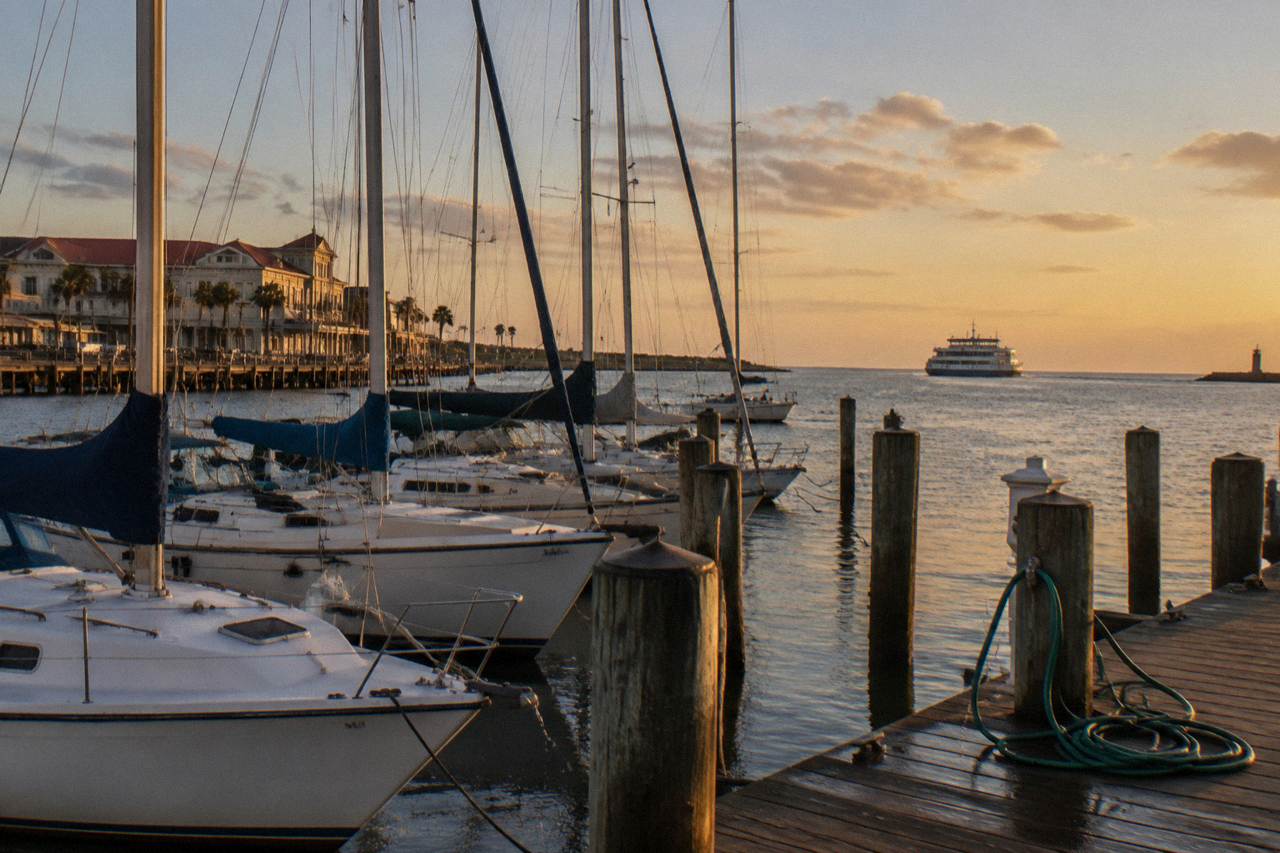
Galveston sits on a barrier island barely 32 miles long, yet the question of how long to stay trips up more planners than almost anything else about the place. The island packs a historic downtown, a 10-mile Seawall, a working cruise port, a free state-run ferry, and a resident population of hundreds of bottlenose dolphins into a compact strip of sand, and the honest answer depends on what kind of trip you want. A quick beach stop, a history weekend, and a full island exploration are three different lengths of stay.
This guide breaks the decision down the way a planner actually thinks: what one day realistically covers, what a weekend adds, and what a third day buys you. It also pinpoints where a short harbor dolphin cruise fits each version of the trip, because a 40 to 45 minute boat ride is the single most schedule-friendly activity on the island. Once you know which day the cruise fits, the next question is whether a private charter or shared group tour makes more sense for your group.
How Many Days Do You Need In Galveston?
Two full days is the realistic minimum for a satisfying Galveston trip: one for the Strand historic district, the harbor, and a dolphin cruise, and one for the Seawall, the beach, and either the ferry or a museum. Travelers who add a third day gain the pace that turns a checklist into a vacation. Anything under two days works only if you accept skipping whole sides of the island.
The two-day answer holds up because of simple geography. Galveston's attractions cluster into three zones that barely overlap: the north side along the harbor, where the Strand, Pier 21, and the cruise terminals sit; the south side along the Seawall, where the beach, the pleasure pier, and most hotels line up; and the edges, meaning Pelican Island to the north and the Bolivar ferry crossing to the east. A single day forces you to pick one zone and abandon the others, which is why so many one-day visitors leave feeling they saw a fraction of the island.
A weekend, by contrast, covers two zones comfortably and usually leaves an afternoon for a third. The most common pattern reported by repeat visitors is a harbor day followed by a beach day, and that order has a practical logic: the harbor side is walkable and shaded, which suits an arrival afternoon, while the Seawall rewards a full morning and midday. A three-day stay absorbs the island's slower rhythms, including the waits that come with the ferry and the tides that shape dolphin activity.
Budget shapes the answer as much as time does. The island's paid activities are inexpensive by big-city standards: the featured harbor cruise starts from $34.86 per person, a one-hour Segway ride along the Seawall runs from $64, and the free options, including the ferry and the Seawall itself, cost nothing at all. That means a longer stay does not necessarily mean a dramatically more expensive one, which is worth knowing before you cut the trip short for cost reasons alone.
What Can You Do With One Day In Galveston?
One day in Galveston covers the Strand district, a harbor dolphin cruise, and a stretch of the Seawall, roughly in that order, if you start early and accept a fast pace. It cannot realistically include the Bolivar ferry round trip, Pelican Island, or more than one museum. One-day visitors should anchor the day around the harbor side and treat the Seawall as a scenic drive rather than a destination.
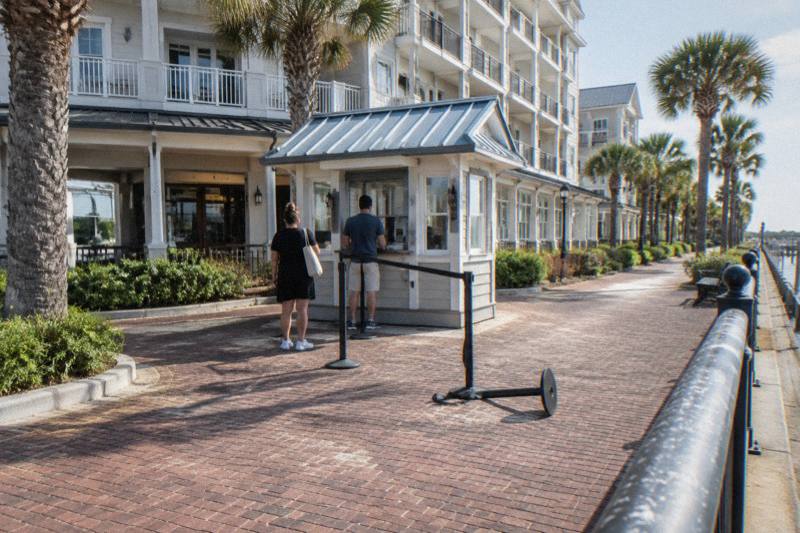
The single-day plan works best as a north-side day. Morning goes to the Strand, the restored Victorian downtown a few blocks from the water, where the blocks are walkable and the shops open by mid-morning. Lunch near the harbor, then a short cruise: the Baywatch operation at Pier 21 runs a 40 to 45 minute narrated route through Galveston Harbor, departing from the kiosk in front of the Harbor House Hotel, with check-in 30 minutes before departure. The cruise covers about 3 miles of harbor water, and the operator has been running these trips since 2005, so the narration carries real local knowledge.

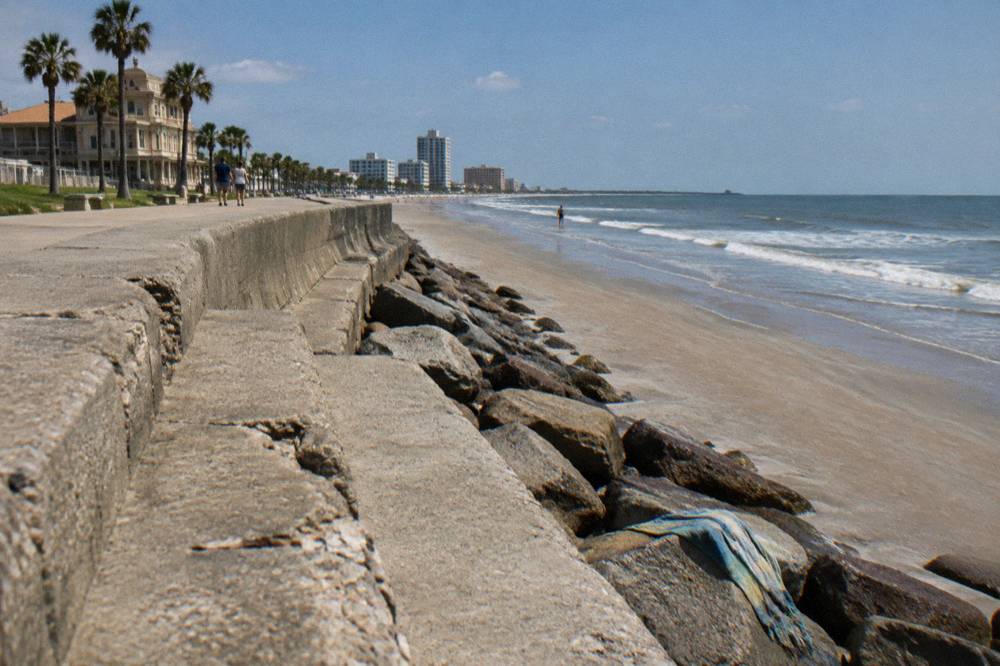
Afternoon on a one-day plan belongs to the Seawall. The 10-mile seawall along the island's Gulf side doubles as a beach promenade and a scenic drive, and a slow drive or ride along it, with a stop at a jetty or pier, gives you the island's signature view without consuming hours. What one day cannot absorb is the ferry: the Galveston to Bolivar crossing takes about 20 minutes each way, plus loading, plus whatever you do on the Bolivar side, and the round trip with a stop easily eats half a day.
That constraint matters because the ferry is one of the island's best free experiences. The Texas Department of Transportation runs the service as a toll-free crossing, 24 hours a day, with free parking at both terminals while you ride, and dolphins are frequently reported riding the ferry's wake. Squeezing that into a one-day plan means giving up something on the harbor side, which is a trade most first-time visitors should not make.
One more honest limit on the single-day plan: the cruise port. Galveston is a major homeport for several cruise lines, and embarkation days thicken traffic along Harborside Drive, the same street that carries you to Pier 21. A one-day visit that collides with a sailing day loses time to congestion that a longer stay simply shrugs off.
Is A Weekend In Galveston Enough?
A weekend is enough for a well-rounded Galveston trip that includes the Strand, a dolphin cruise, beach time on the Seawall, the ferry crossing, and one structured activity such as a Segway ride or a history cruise. Two days let you split the island into a harbor day and a beach day, which is the natural division of the place. The weekend plan is the sweet spot for most first-time visitors. If you're still weighing whether the island fits your travel style, our honest look at what Galveston does well and where it falls short can help you decide before you book anything.
The weekend plan divides cleanly. Day one repeats the harbor-side sequence from the one-day plan but without the clock pressure: a long Strand morning, lunch, the 45-minute dolphin cruise from Pier 21, and an unhurried late afternoon at the harbor or the East End. Day two flips to the Gulf side: a Seawall morning, beach time, and either the ferry round trip or a stop at Seawolf Park on Pelican Island, one of the most reliable free shore spots for watching dolphins from land (see Best Dolphin Beaches).
The ferry slot is what makes the weekend feel complete rather than compressed. Because the crossing runs around the clock and costs nothing, you can time it for a late-afternoon window, when dolphin activity tends to pick up, and treat the 18 to 20 minute ride itself as the activity. Walk-on passengers often skip the vehicle line entirely, and the Texas Department of Transportation posts live updates through its own channels when weather or demand changes the schedule.
A weekend also leaves room for the island's second tier of paid activities. The one-hour history cruise from Pier 21, rated 4.9 from 9 reviews and priced from $40 per person, layers Galveston's maritime story over the same harbor water, and it pairs naturally with the dolphin cruise for visitors who enjoy the narration as much as the sightings. On the beach side, the Seawall Segway tour, from $64 per person, covers the seawall stretch with safety training and photo stops, with dolphins named as a possible sighting from the vantage of the wall.
Should You Book a Dolphin Cruise in Advance for a Weekend?
Weekends fill the small boats faster than weekdays do. The featured Pier 21 cruise carries a maximum of 39 passengers per departure, and summer weekends, holiday weekends, and cruise embarkation days all compress availability into the earlier departures. The listing offers free cancellation, so booking ahead of a weekend and adjusting later carries little risk. Checking the live times a day or two before the trip is the practical middle path.
What Does A Three Day Trip Look Like?
A three-day Galveston trip covers everything the weekend plan includes and adds the island's slower pleasures: a morning kayak or extended shore time, a second harbor cruise with a different focus, unhurried Bolivar Peninsula exploring, and real downtime. The third day is where the trip stops being a tour of sights and starts being a stay. It is the right length for visitors who dislike moving daily.
Day three is the flex day. The most valuable use of it is the island's edges, the places a two-day plan skips. On the west, Seawolf Park on Pelican Island sits beside the ship channel and doubles as a shore-based dolphin watching spot where the animals are frequently reported; the park also carries naval history exhibits that reward a slow loop. On the east, the Bolivar side beyond the ferry landing opens into long bay-side shoreline where feeding dolphins are often visible from shore, and the crossing itself remains free in both directions.
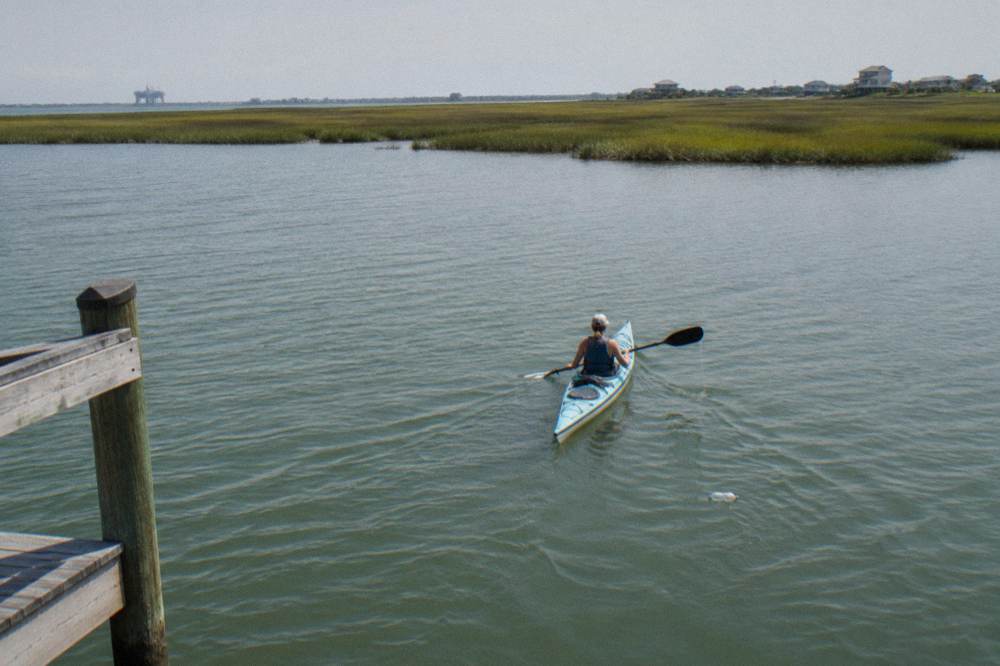
The third day also fits the roster's one big-ticket activity. The small-group sea kayak tour, from $266 per person for four hours and limited to five participants, explores the harbor from water level, with dolphins described on the listing as a matter of luck. It must be booked one to two weeks ahead, which makes it a planning anchor rather than a spontaneous add, and it is the one activity on the island that genuinely requires the third day's schedule freedom.
Three days also absorb Galveston's weather variability better than shorter stays. The island's position on the Gulf means afternoon wind and pop-up showers can scrap a beach plan on any given day, and a trip with slack in it simply moves the beach morning to the next day. A one-day visitor whose afternoon turns choppy loses that block outright. If your dates fall inside hurricane season, which runs June 1 to November 30, the buffer a third day provides is worth even more.
Where Does A Dolphin Cruise Fit Into Your Itinerary?
A dolphin cruise fits any trip length because the core harbor trips run 40 to 45 minutes, short enough to slot between lunch and a Strand afternoon on even a one-day plan. The best placement is early morning or late afternoon, when dolphin activity peaks on moving tides. Book the first available departure after arrival day, so weather later in the stay leaves room to rebook.
The featured Baywatch Pier 21 Dolphin Cruise is the most schedule-flexible paid activity on the island: from $34.86 per person, rated 4.9 across 2,628 reviews, and running 40 to 45 minutes from the kiosk in front of the Harbor House Hotel at Pier 21. Check-in opens 30 minutes before departure, so the whole commitment, walk from the Strand included, sits comfortably inside two hours. On a one-day plan it anchors the harbor afternoon; on a weekend it can float to whichever day has the better weather.
Timing within the day matters more than timing within the trip. Verified research on the bay's dolphins shows activity running higher in the early morning and late afternoon, with moving tides concentrating the fish that bring dolphins into the harbor channels. A late-afternoon departure after a Strand morning hits one of those windows while leaving the earlier part of the day free. The naturalist-led variant of the cruise, from $32 per person and rated 4.8 from 282 reviews, adds a guide who explains the bay's dolphin population, which suits visitors whose trip includes a third, slower day.
One caution that applies no matter the itinerary: no tour on this island guarantees sightings, because the dolphins are wild animals protected by federal law. Operators must keep their distance, and the Marine Mammal Protection Act sets a 50-yard minimum viewing distance from watercraft. What the harbor cruises do offer is frequency: the same channels the boats travel are the ones the resident population uses daily, which is why sightings are reported so often, and why the short cruises remain the island's most popular paid activity.
What About A Cruise Port Day Or A Day Trip From Houston?
Cruise passengers with a pre-cruise afternoon need about half a day on the island, centered on the harbor side, and a dolphin cruise is the single best fit for that window. Day-trippers from Houston, about an hour away by road, should treat the trip as the one-day plan and leave the ferry and Pelican Island for a return visit. Both groups get more from the island than they expect, in different ways.
The pre-cruise afternoon is a distinct trip length of its own. Passengers arriving the day before sailing typically have from midday onward, and the harbor side delivers exactly that: lunch on the Strand, a 45-minute cruise from Pier 21, which sits minutes from the cruise terminals along the same Harborside corridor, and a walk back through the historic district. The featured cruise's free-cancellation policy matters here, because sailing schedules shift and a refundable activity is the safe kind to book before an embarkation day.
Day-trippers from Houston face the stricter version of the one-day plan. The drive each way consumes a chunk of the day, so the realistic island window is six to eight hours, which covers the Strand, a dolphin cruise, and a Seawall drive, but not the ferry round trip in any relaxed form. The honest advice is to pick the harbor side entirely and save the Gulf side for a weekend return, because splitting a day trip across both zones of the island produces a rushed version of each.
For both groups, the one-hour history cruise offers an alternative to the pure dolphin cruise: from $40 per person, rated 4.9 from 9 reviews, with Galveston's maritime history narrated and dolphins named as a possible sighting in the highlights. It suits visitors who have already done a dolphin cruise on a previous visit, or whose short window makes them want the harbor's story rather than its wildlife. Meeting point is the white kiosk in front of the Harbor House Hotel, next to Willie G's, the same Pier 21 corner as the dolphin departures.
How Weather And Season Affect Your Trip Length
Season changes how much island time a trip needs: summer heat pushes activity into mornings and evenings, effectively shortening usable days, while the October to November and March to April shoulder seasons stretch comfortable hours and suit shorter stays. Hurricane season, June 1 through November 30, argues for building a buffer day into any stay. Winter trips run cheaper but trade beach time for birding and quiet.
The shoulder-season logic runs opposite to what many visitors assume. The island's most comfortable months, with warm-but-not-peak heat and thinner crowds, are the very months when a two-day plan works best, because full usable days mean more accomplished per day. In peak summer, midday heat and humidity push visitors indoors or into the water, so the same two-day plan delivers less sightseeing per day, and a third day starts to look less like luxury and more like compensation.
Weather cancellations are the other factor. Boat operators pause or cancel trips when wind and chop make the harbor unpleasant, and the decision rests with the operator, announced through the listing or at the dock. A trip with no slack in it can lose its dolphin cruise entirely to one windy afternoon. This is the strongest practical argument for the two-day minimum over the one-day sprint: a second afternoon is an insurance policy for the one activity most visitors name as the point of the trip.
| Trip length | What it covers | What it skips | Best for |
|---|---|---|---|
| Half day (pre-cruise) | Strand walk, lunch, a 45-minute dolphin cruise | Beach, ferry, Pelican Island | Cruise passengers arriving the day before sailing |
| One day | Strand, dolphin cruise, Seawall drive | Ferry round trip, museums, Pelican Island | Day-trippers from Houston, tight schedulers |
| Two days (weekend) | Harbor day plus beach day, ferry crossing, one extra tour | Kayak tour, unhurried Bolivar side | Most first-time visitors |
| Three days | Everything above plus Pelican Island, kayak or shore time, buffer for weather | Nothing major | Visitors who unpack once and slow down |
The table's last row is the quiet truth about the island: three days is not about seeing more things, it is about seeing the same things without a clock. Galveston rewards lingering, whether that is a second pass along the Seawall at sunset or a morning spent at a jetty watching for dorsal fins. The resident dolphins do not operate on a schedule, and neither does a good island day.
Common Questions About Trip Length In Galveston
How many days do you need in Galveston?
Two full days is the practical minimum for a satisfying trip: one harbor-side day covering the Strand and a dolphin cruise, and one Gulf-side day on the Seawall with a ferry crossing. A third day adds Pelican Island, shore time, and a weather buffer. One day works only for visitors who accept skipping whole zones of the island.
Is one day in Galveston enough?
One day covers the Strand historic district, a 40 to 45 minute dolphin cruise from Pier 21, and a scenic drive along the Seawall. It does not cover the Bolivar ferry round trip, Pelican Island, or more than one museum. Treat a one-day visit as a harbor-side day and plan a return trip for the rest.
Can you see dolphins on a short Galveston trip?
Yes, and it is one of the easiest wildlife sightings to schedule on a short trip. The harbor cruises run 40 to 45 minutes from Pier 21, and the bay's resident bottlenose dolphins use the same channels daily, so sightings are frequently reported. No tour guarantees sightings, since the dolphins are wild and federally protected.
How far in advance should you book activities for a Galveston weekend?
Book the dolphin cruise a day or two ahead for summer and holiday weekends, since boats carry a maximum of 39 passengers and earlier departures fill first. Free cancellation applies on the roster's tours, so booking early carries little risk. The four-hour small-group kayak tour must be booked one to two weeks ahead.
Is Galveston worth a three-day trip?
Yes, if you enjoy unpacking once and moving slowly. A third day absorbs Seawolf Park on Pelican Island, the Bolivar side of the ferry crossing, shore-based dolphin watching, and the island's weather variability. It also fits the roster's longer activities, like the four-hour small-group kayak tour, that shorter stays cannot accommodate.
What is the best month for a first Galveston trip?
The shoulder months, October to November and March to April, combine comfortable temperatures with thinner crowds, which makes a two-day plan deliver more per day. Dolphin activity runs higher roughly May to October. Hurricane season spans June 1 to November 30, so shoulder-season visitors should still watch forecasts.
Whatever length you choose, the harbor cruise deserves a guaranteed slot rather than a leftover one. The Galveston Dolphin Tours comparison on the homepage sorts the roster by price, length, and format, and it pairs well with the guides on Pier 21 parking and boarding and what to expect on a dolphin cruise when you turn the plan into a booking. Federal viewing rules for wild dolphins are published by NOAA Fisheries, and current ferry schedule details live on the TxDOT ferry page. The island's dolphin research, including the survey counts cited here, is documented by the Galveston Bay Dolphin Research Program, and operator background comes from the Visit Galveston directory.